
Back-to-School Pet Anxiety: Natural Preparation for Schedule Changes
Back-to-School Pet Anxiety: Natural Preparation for Schedule Changes
Back-to-school anxiety hits dogs hard when their predictable routines suddenly disappear, triggering destructive behaviors and excessive barking in nearly 50% of pets. Natural remedies like chamomile, L-theanine, and calming pheromone diffusers can ease the change without drowsiness. Starting gradual schedule adjustments 1-2 weeks early helps dogs adapt slowly. Puzzle toys and comfort items provide emotional anchoring during chaotic shifts. Most pet parents miss the warning signs entirely. Smart preparation strategies transform stressful changes into manageable adjustments.
Understanding How Schedule Changes Affect Your Pet’s Emotional Well-being
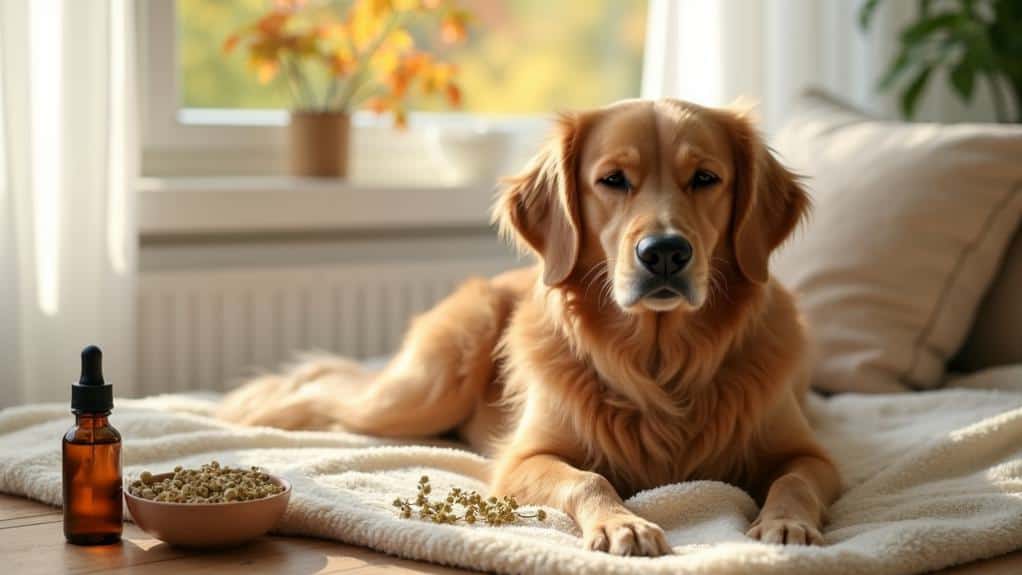
When families gear up for back-to-school season, most pet parents focus on getting the kids ready—but their furry family members are silently bracing for emotional upheaval.
Dogs thrive on predictability. Sudden schedule disruption throws their world into chaos. That cozy pandemic routine? Gone. Now Fluffy faces hours alone after months of constant companionship.
Research shows separation anxiety skyrocketed 700% between 2020 and 2022 as families resumed normal schedules. Nearly half of dog owners reported anxious behaviors when routines shifted. Additionally, fear of strangers surged by 295%, becoming the leading cause of anxiety in dogs as pets encounter new people during schedule changes.
Your pet’s emotional stability depends on consistent patterns—feeding times, walks, playtime. Break those patterns abruptly, and you’ll likely see destructive chewing, inappropriate elimination, or excessive vocalization. Many pet owners struggle to recognize these warning signs, with 24% of dog owners remaining unaware that dogs can even suffer from poor mental health. Just as with fireworks-induced stress, these anxiety episodes can trigger intense panic attacks that require immediate intervention.
The magnitude of change directly correlates with behavioral issues. Gradual acclimatization to being left alone is crucial for maintaining your dog’s well-being during schedule transitions. Implementing natural calming techniques alongside schedule adjustments can significantly reduce your pet’s stress levels during this transition period. Interactive toys and puzzle feeders provide mental stimulation that can help dogs cope with longer periods of solitude. Gentle adjustments protect your pet’s mental health while helping your family adjust smoothly.
Natural Strategies to Ease Your Pet’s Transition to New Routines
While conventional anxiety medications have their place, many pet parents prefer starting with gentler, natural approaches that work with their dog’s body rather than against it.
Herbal remedies like chamomile, valerian root, and passionflower offer time-tested calming effects. L-theanine and L-tryptophan amino acids naturally promote relaxation without drowsiness.
Calming techniques extend beyond supplements. Create peaceful environments with pet-safe lavender aromatherapy and white noise to mask sudden sounds. These same sound masking techniques that help pets cope with thunderstorms can be equally effective for schedule-related anxiety.
Comfort items—that ratty old blanket your dog adores—provide emotional anchoring during changes. Bach flower remedies can provide additional emergency relief during particularly stressful moments of transition.
Smart strategies work wonders. Special treats before departures create positive associations with alone time. Practice short separations with rewards. Mental stimulation through puzzle toys keeps anxious minds occupied. Gradual desensitisation involves slowly increasing alone time while rewarding calm behavior with treats. Morning exercise like a 30- to 60-minute walk helps reduce pent-up energy that could otherwise lead to destructive behaviors. Watch for common signs like excessive barking, destructive behavior, or pacing that indicate your dog is struggling with the transition. Stress recovery supplements can provide additional support during the adjustment period.
Always consult your veterinarian before introducing new supplements. Natural doesn’t automatically mean safe for every pet’s unique health profile.
Creating Stability Through Gradual Adjustment and Enrichment Activities
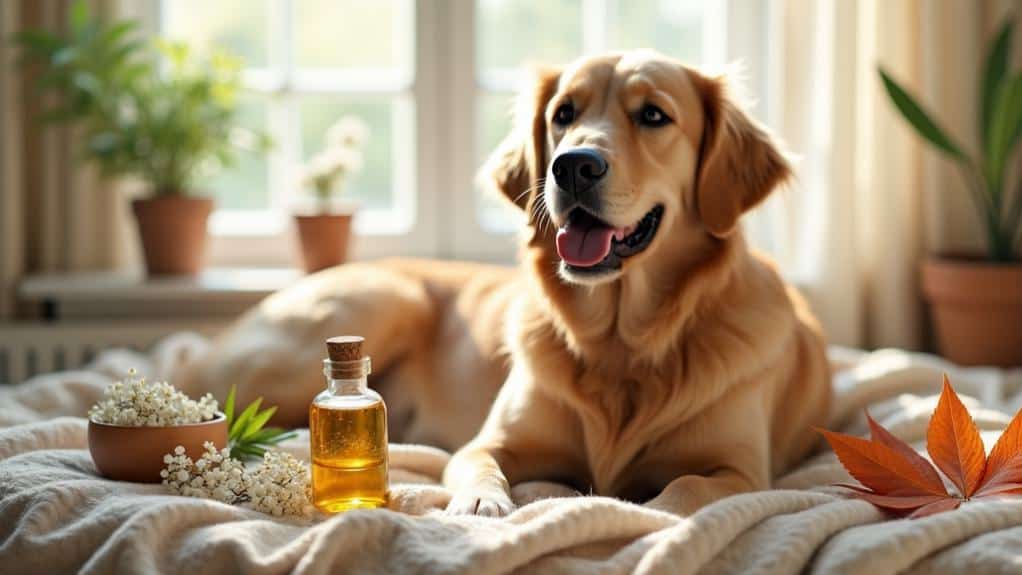
Success in easing back-to-school anxiety hinges on one simple truth: pets thrive on predictability, and sudden schedule shifts feel like chaos to their structured minds.
Routine consistency starts with gradual adjustments 1-2 weeks before school begins. Shift feeding and walking times slowly. Practice departures. Build resilience through rehearsed alone time.
Enrichment variety prevents boredom when families scatter. Rotate toys, introduce puzzle feeders, and schedule engaging activities before leaving. Research shows that 90% of parents recognize their dogs’ positive impact on children’s school transitions.
Dogs develop strong attachments to children, making the transition particularly challenging for canine family members. Professional consultation helps if anxiety persists. Because honestly? Sometimes pets need extra support too.
Campus counselors increasingly address pet-related anxiety issues, recognizing that pet separation anxiety affects students’ overall well-being during major life transitions.
Consider incorporating calming aids like pheromone diffusers or anxiety wraps to provide additional comfort during this adjustment period. Compression vests offer another effective option for pets experiencing heightened anxiety during schedule transitions. Many pet owners find that portable calming aids provide consistent comfort whether at home or during family travel situations.
| Timing Strategy | Enrichment Focus | Comfort Enhancement |
|---|---|---|
| Gradual schedule shifts | Puzzle feeders | Familiar scent items |
| Practice departures | Rotating toys | Quiet refuge spaces |
| Mirrored school routine | Interactive games | Window access |
Frequently Asked Questions
How Long Does It Typically Take for Pets to Adjust to New Schedules?
Most pets require several days to weeks for routine changes, with 75.5% adjusting within ten days. The adjustment period varies by age and personality, with older animals needing more gradual shifts to successfully adapt.
Can Back-To-School Anxiety in Pets Lead to Serious Health Problems?
Studies show 20% of anxious pets develop secondary health complications. Untreated anxiety symptoms can compromise pet health through immune suppression, gastrointestinal disorders, and self-harm behaviors, requiring caregivers to recognize warning signs early.
Are Certain Dog Breeds More Prone to Separation Anxiety Than Others?
Yes, certain breeds predisposed to separation anxiety include Border Collies, German Shepherds, and Chihuahuas. Pet owners should recognize anxiety signs early, as 20-40% of dogs experience this condition, enabling better support for their companions.
Should I Consider Getting a Second Pet to Reduce My Dog’s Loneliness?
Adding a furry friend requires thoughtful second pet considerations, as not all dogs welcome companions. Pet companionship benefits include reduced isolation and mental stimulation, though proper introduction and compatibility assessment remain essential for successful multi-pet households.
When Should I Consult a Veterinarian About My Pet’s Anxiety Symptoms?
Pet owners should consult veterinarians when behavioral signs persist beyond two weeks, natural interventions fail, or stress triggers cause destructive behaviors, appetite loss, or safety concerns affecting household harmony and pet wellbeing.
References
- https://www.ourhouseb.com/how-pets-feel-when-kids-go-back-to-school/
- https://www.rsainsurance.co.uk/news/press-releases/2023/dogs-help-childrens-back-to-school-anxiety/
- https://pmc.ncbi.nlm.nih.gov/articles/PMC9532803/
- https://medicalxpress.com/news/2021-10-college-students-pet-anxiety.html
- https://www.petmd.com/dog/care/effect-back-school-has-family-dogs
- https://pmc.ncbi.nlm.nih.gov/articles/PMC9559505/
- https://greenelementcbd.com/pages/pet-anxiety-2022
- https://www.dvm360.com/view/new-study-shows-increased-levels-of-anxiety-in-pets-since-the-covid-19-pandemic
- https://faunalytics.org/how-routine-changes-can-impact-dog-behavior-learnings-from-covid-19/
- https://riversidevetsc.com/back-to-school-back-to-stress-how-routine-changes-affect-pet-anxiety/