
Best Calming Aids for Anxious Pets
Best Calming Aids for Anxious Pets
The best calming aids for anxious pets include L-Theanine for non-sedating relief, chamomile and CBD for gentle natural support, and compression vests for immediate comfort during storms or fireworks. Fast-acting options like benzodiazepines work within 30-60 minutes for intense situations, while daily herbal treats build therapeutic levels over time. Proper dosing based on accurate weight measurements prevents side effects—that 10-pound poodle needs vastly different amounts than an 80-pound lab. Understanding timing, ingredients, and safety considerations helps pet parents choose the most effective approach.
Main Points
- L-Theanine reduces anxiety without sedation, while CBD and chamomile offer gentle, natural support with minimal side effects.
- Pheromone diffusers and compression vests provide immediate relief through calming scents and gentle pressure for stressed pets.
- Fast-acting benzodiazepines work in 30-60 minutes for intense situations like fireworks, while natural chews activate within 30 minutes.
- Daily calming aids build therapeutic levels over time; administer chews 30 minutes before anticipated stressors for optimal effectiveness.
- Accurate dosing based on pet weight is crucial—start with minimum recommended doses and monitor for drowsiness or increased anxiety.
Understanding How Calming Ingredients Work for Pet Anxiety

When pet parents watch their furry companions pace anxiously during thunderstorms or hide under beds at the sight of a suitcase, understanding the science behind calming aids becomes invaluable.
These products work through sophisticated calming mechanisms targeting the nervous system directly. L-Theanine reduces excitatory signals without sedation—think zen master, not sleepy couch potato. Pheromone diffusers offer another effective approach by releasing species-specific calming scents that help reduce storm and thunder anxiety naturally.
Meanwhile, ingredients like valerian and chamomile enhance GABA activity, essentially telling overactive nerves to chill out. Adaptogens such as ashwagandha tackle stress at its source by regulating cortisol levels. For particularly intense situations like fireworks displays, having fast-acting options becomes crucial for immediate intervention.
The real magic happens with neurotransmitter balance restoration. L-Tryptophan and 5-HTP boost serotonin production naturally, creating emotional stability from within. Certain formulations can show initial effects within 1-4 hours, providing rapid relief when pets need it most. Compression vests provide another physical approach to anxiety relief by applying gentle, calming pressure during stressful events.
Even the gut-brain connection gets attention through probiotic support, proving that calming truly starts from the inside out. Omega 3 fatty acids support brain health while improving mood and reducing aggressive behaviors in anxious pets. Hemp-based products offer non-psychoactive relief for dogs with severe anxiety or stress.
Natural Vs Synthetic Active Ingredients in Pet Calming Products
While most pet parents stand in store aisles staring at ingredient lists like they’re deciphering ancient hieroglyphics, the choice between natural and synthetic calming ingredients doesn’t have to feel overwhelming.
Natural ingredient benefits shine through consistent, gentle support. Chamomile, valerian, and hemp-derived CBD work with your pet’s system rather than against it. Minimal side effects. Long-term safety. Plus, you can pronounce everything on the label—bonus points there. L-Theanine stands out among natural ingredients for its proven soothing effects on anxious pets. Bach flower remedies provide another natural alternative, offering immediate stress relief during pet emergencies through carefully formulated drops. Supplements containing melatonin and chamomile work particularly well together to provide comprehensive anxiety relief for pets.
Natural ingredients work with your pet’s biology, not against it—delivering gentle, consistent calm without the pharmaceutical guesswork.
Synthetic options like Dog Appeasing Pheromone offer rapid relief for acute situations. They’re effective, sure. But synthetic ingredient risks include potential tolerance buildup and those mysterious preservatives nobody really wants to Google at 2 AM.
The sweet spot? Many pet parents combine both approaches—natural for daily support, synthetic for emergency vet visits or fireworks season. Some innovative products now utilize bioresonance frequencies that target the nervous system without any chemical ingredients at all. Most calming treats typically show effects within 30 to 60 minutes after your pet consumes them, so timing your approach becomes crucial for maximum effectiveness. These calming aids become especially valuable when helping pets recover from vacation boarding experiences that may have triggered anxiety or stress.
Identifying High-Stress Situations That Require Calming Support
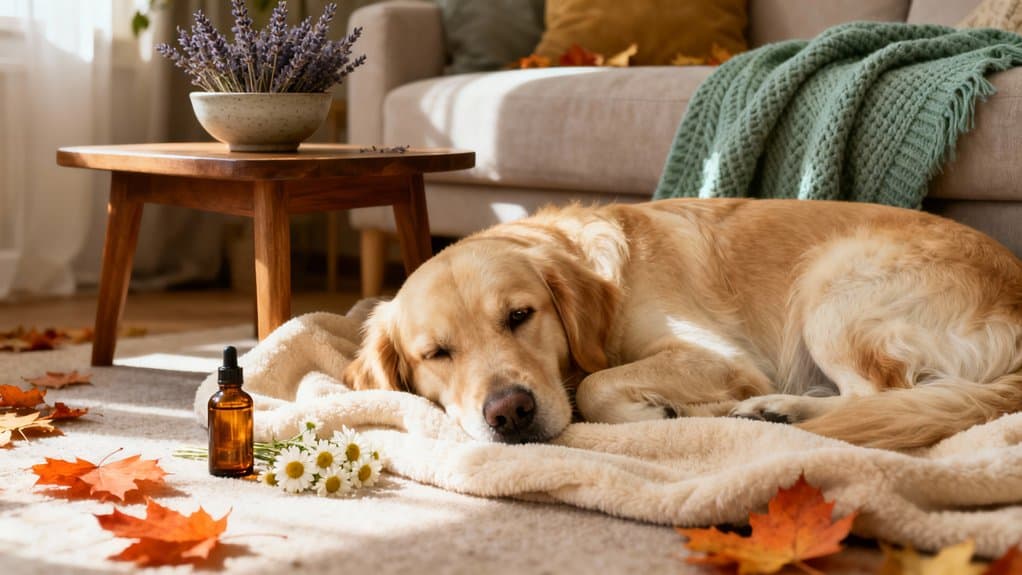
Since stress triggers don’t announce themselves with flashing neon signs, pet parents need to become detectives in their own homes. Environmental triggers like thunderstorms, fireworks, or construction noise affect nearly half of all dogs. Construction at 7 AM? Your pet’s already voting no.
Watch for behavioral signs: trembling during storms, destructive chewing when left alone, or hiding when the vacuum emerges. Separation anxiety hits 13-18% of dogs, while up to 78% of dogs show fear at vet visits. Classic detective work.
Routine changes—moving, new roommates, schedule shifts—can transform confident pets into anxious shadows. Dogs often mirror their owners’ emotional states, making your own stress management crucial for your pet’s wellbeing. Interactive toys and puzzle feeders can provide essential mental stimulation to help dogs cope with stress and anxiety.
Even aging brings new anxieties as senses decline. Persistent stress can manifest as appetite loss, making it essential to monitor your pet’s eating habits during challenging periods. Some pets may also develop excessive grooming behaviors that lead to noticeable fur loss. For pets with thunderstorm anxiety, the summer season can bring particularly intense stress episodes that require specialized calming strategies. Travel situations present additional challenges, making portable calming aids essential tools for maintaining your pet’s comfort away from home. The key? Recognizing patterns before stress becomes chronic. Your pet’s counting on your observational skills.
Proper Dosing Guidelines Based on Your Pet’s Weight and Size
Getting calming aid dosages wrong turns helpful into harmful faster than a cat knocks things off counters.
Weight based dosing isn’t just veterinary fancy talk—it’s your pet’s safety net. A 10-pound anxious poodle needs vastly different amounts than your 80-pound lab mix who thinks thunder is the apocalypse.
Medication safety starts with precision, not guesswork:
- Weigh your pet accurately – bathroom scales work for larger dogs, kitchen scales for smaller pets
- Calculate doses using exact weight – “medium-sized” isn’t a measurement your pet’s liver recognizes
- Start with minimum recommended doses – you can always increase, but you can’t un-give medication
- Monitor for side effects closely – drowsiness, vomiting, or increased anxiety signal dosing problems
For common medications like Benadryl, the standard dose is 2–4 mg per kg of body weight, though consulting your veterinarian ensures proper calculations for your specific pet.
Some anti-anxiety medications work best when given daily rather than only during stressful situations, requiring consistent dosing schedules for optimal effectiveness. For optimal absorption, many calming medications should be administered on an empty stomach whenever possible.
Always consult your veterinarian before starting any calming protocol.
Probiotic-Based Solutions for Gut-Brain Connection Benefits
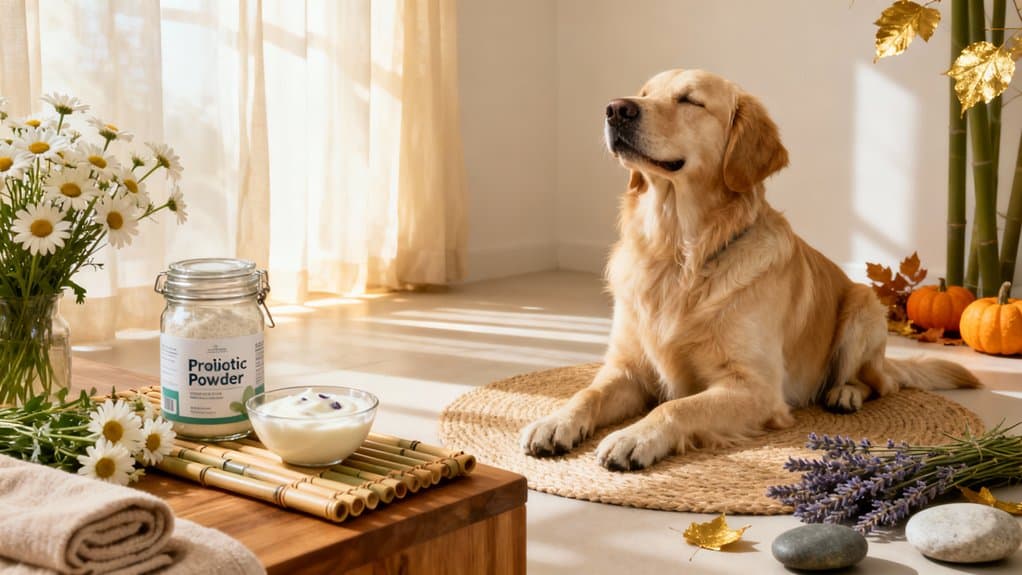
When pet parents discover their anxious dog’s gut holds the key to calmer behavior, they’re witnessing the gut-brain axis in action. This incredible communication highway connects digestive health directly to emotional wellbeing through nerve pathways and chemical messengers.
Specific probiotic strains like Lactobacillus and Bifidobacterium longum have shown remarkable success reducing anxiety-related behaviors in dogs. These beneficial bacteria produce calming compounds including short-chain fatty acids and even dopamine—nature’s own mood stabilizers.
Research reveals anxious pets often have imbalanced gut bacteria, creating a vicious cycle of stress and digestive upset. Strategic probiotic supplementation breaks this pattern. The vagus nerve serves as a crucial communication pathway between gut microbes and the central nervous system.
Simple additions like plain yogurt, cottage cheese, or veterinary-approved probiotic supplements can restore gut health naturally. The gut contains an extensive network of neurons, enabling direct communication pathways that influence your pet’s emotional responses. An unbalanced microbiome can trigger excess cortisol production, leading to chronic stress-related health issues in anxious pets.
Unlike pharmaceutical interventions, probiotics work gently with minimal side effects. Most effective as part of comprehensive anxiety management.
Timeline Expectations for Different Types of Calming Aids
Pet parents often wonder when they’ll see their anxious furball actually chill out after starting a calming aid.
The timeline varies dramatically depending on what you choose—some treats work within the hour, while others need weeks to show their full potential. Most calming treats containing ingredients like melatonin or chamomile will provide relief for 4 to 8 hours once they take effect.
Understanding these expectations helps avoid the classic mistake of switching products too quickly when your stressed-out pup doesn’t transform into a zen master overnight. Fast-acting treats typically begin working within 30 minutes to an hour of administration. Long-acting medications like Fluoxetine or Clomipramine require several weeks of consistent use to reach their full therapeutic effect.
These solutions become especially valuable when pets experience separation anxiety during summer vacations when their families are away.
Fast-Acting Formula Results
Three main categories of calming aids work on completely different timelines, and knowing these differences can mean the success or failure of your anxious pet’s next stressful event.
Fast acting effects vary dramatically between prescription medications and natural alternatives, making timing crucial for effective calming strategies.
Here’s what pet parents need to know about rapid-response options:
- Benzodiazepines work fastest – Effects kick in within 30-60 minutes, but some pets become MORE excitable (thanks, Murphy’s Law)
- Natural chews surprise everyone – Quality formulas with L-theanine or ashwagandha start working in just 30 minutes
- Melatonin treats act quickly – Results often appear within 20 minutes for many pets
- Pheromone sprays offer immediate comfort – Some anxious pets respond within 15-30 minutes to environmental pheromones
Timing beats everything else. Many veterinarians recommend conducting a trial run with any new calming aid before the actual stressful event to observe your pet’s specific response.
Calming treats should be administered about 40 minutes before anticipated stressful situations to achieve optimal effectiveness for your anxious pet. The most effective natural formulas can maintain their calming effects for up to 4 hours after administration.
Daily Administration Benefits
While quick fixes grab attention during crisis moments, consistent daily administration of calming aids creates the foundation that transforms chronically anxious pets into more balanced companions.
The daily benefits compound over time—herbal treats and CBD chews build therapeutic levels in your pet’s system, creating steady anxiety management rather than roller-coaster relief. Think of it like taking vitamins versus chugging energy drinks.
Smart administration tips make consistency effortless. Give herbal or melatonin treats with breakfast for all-day coverage. Prescription medications work best at the same time daily—your anxious pup will actually start anticipating their “chill pill.” For optimal effectiveness, administer calming chews 30 minutes prior to anticipated stressful situations.
Even Thundershirts become more effective with regular wear as dogs adjust to the comforting pressure. Compression garments like Thunder shirts provide consistent calming pressure that helps pets feel more secure throughout stormy weather and other anxiety-triggering events. Sound machines can complement these physical aids by providing continuous white noise that masks sudden environmental sounds that trigger anxiety episodes. Sure, it requires commitment. But daily dosing prevents anxiety spikes before they start, creating calmer households for everyone involved. CBD works by interacting with your pet’s endocannabinoid system to naturally regulate stress responses and maintain balance throughout the body. Giving calming aids with meals can help reduce gastrointestinal upset while making the routine more convenient for pet owners.
For pets struggling with seasonal mood changes, light therapy can provide additional support alongside traditional calming aids to help maintain emotional balance during darker months.
Long-Term Treatment Outcomes
Because timing matters more than most pet parents realize, understanding realistic expectations for different calming aids prevents frustration and premature treatment abandonment.
Supplement-based options often require patience—some products need several days of consistent use before showing results. The real magic happens with extended protocols.
Six-week treatment studies reveal measurable behavioral improvements, with success rates climbing progressively from week four to week six. Video analysis demonstrates significant reduction in negative behaviors compared to baseline measurements. Individual responses to supplements can vary widely, making it important to monitor your pet’s specific reaction patterns.
Long term effects become most apparent with sustained twice-daily administration:
- Week 1-2: Subtle changes emerge as ingredients build in your pet’s system
- Week 3-4: Noticeable behavioral improvements begin appearing consistently
- Week 5-6: Peak effectiveness achieved with cumulative calming benefits
- Beyond 6 weeks: Sustained results maintain with continued regular use
However, some formulations work much faster, with effects beginning within 30 minutes and lasting up to eight hours per dose. Recent randomized clinical trials have also validated the effectiveness of specialized devices for treating separation anxiety in dogs.
Safety Considerations and When to Consult Your Veterinarian
Even the safest calming aids can backfire when pets decide to stage their own version of a candy store heist, devouring entire containers while their humans aren’t watching.
Pets don’t read labels—they just see tasty treats waiting to be demolished in one glorious midnight raid.
Proper pet storage in locked cabinets isn’t just suggestion—it’s survival strategy. Even “natural” doesn’t mean harmless when Fluffy finds your stash.
Watch for overdose symptoms like excessive sedation, vomiting, or wobbly walking. CBD and hemp effects can linger 72 hours. Not fun for anyone.
Call your vet before starting any supplements. Seriously. That NASC certification on the bottle? Good start, but your vet knows your pet’s unique quirks. Different ingredients produce varying symptoms, so professional guidance helps you know what to watch for with your specific product choice. Underlying medical issues may contribute to anxiety, making calming products completely ineffective.
Creating a consistent schedule transition routine can help reduce your pet’s overall stress levels before introducing any calming aids.
Emergency red flags: Can’t stand, repeated vomiting, or tremors. Don’t wait. Some calming sprays contain essential oils that can actually be toxic to dogs despite their soothing intentions.
ASPCA Poison Control (888-426-4435) offers 24-hour guidance when panic strikes.
Frequently Asked Questions
Can I Give My Cat Calming Aids Designed for Dogs?
No, pet owners should avoid giving cats calming aids designed for dogs due to cat safety concerns and ingredient differences. Species-specific formulations ensure proper metabolism. Veterinary consultation helps select appropriate feline calming products for anxious cats.
How Long Before Travel Should I Give My Pet Calming Supplements?
Proper calming supplement timing requires administration 30-60 minutes before travel for optimal anxiety relief. Effective travel anxiety preparation includes consistent dosing intervals and combining supplements with gradual desensitization to ensure pets receive maximum calming benefits.
Will Calming Aids Make My Pet Drowsy During Daytime Activities?
While calming aids can cause daytime drowsiness, natural alternatives like pheromones and behavioral training maintain alertness. Pet behavior specialists recommend timing sedating supplements carefully, ensuring anxious animals receive relief without compromising their ability to engage in normal daily activities.
Can Pregnant or Nursing Pets Safely Use Calming Supplements?
Pregnant or nursing pets require extreme caution with calming supplements due to safety concerns. Ingredient considerations become critical as substances transfer to developing offspring. Veterinary consultation remains essential before administering any supplements to expectant or lactating animals.
Do Calming Aids Lose Effectiveness With Long-Term Daily Use?
Current research shows no evidence of tolerance development with long-term calming aid use in pets. Studies spanning weeks to months demonstrate sustained effectiveness without requiring dosage adjustments, supporting safe daily administration for anxious animals.
Conclusion
Pet anxiety affects approximately 72% of dogs and cats, making calming aids essential tools for modern pet parents. While the market overflows with options—from trendy CBD treats to grandmother’s chamomile remedies—success depends on matching the right solution to each pet’s unique needs. Weight-appropriate dosing matters. Timing matters more. Natural ingredients often work beautifully, but severe anxiety requires veterinary intervention. Smart pet parents combine patience with science-backed approaches for genuinely calmer, happier companions.
References
- https://www.petnaturals.com/calming-174-for-medium-large-dogs.html
- https://www.vetriscience.com/composure-153.html
- https://www.rover.com/blog/dog-calming-treats-do-they-really-work-a-complete-guide/
- https://www.akc.org/expert-advice/health/dog-calming-treats/
- https://www.petmd.com/dog/behavior/dog-calming-products-help-ease-dog-anxiety
- https://www.chewy.com/b/dog-calming-aids-379
- https://ortinganimalhospital.com/blog/effective-techniques-for-calming-a-nervous-dog/
- https://clinipaw.com/products/calming
- https://doganxiety.com/calm-dogs-best-dog-calming-aid-ingredients/
- https://www.undertheweatherpet.com/blogs/under-the-weather/best-calming-treats-for-dogs