
Creating an Eco-Friendly Pet Home: Complete Guide
Creating an Eco-Friendly Pet Home: Complete Guide
To create an eco-friendly pet home, start by choosing sustainable products like biodegradable waste bags and toys made from natural materials. Implement energy-efficient lighting and appliances in pet areas, and use programmable thermostats to optimize climate control. Adopt water conservation techniques, such as low-flow washing methods and rainwater collection for pet care. Improve indoor air quality with HEPA filters and regular ventilation. Consider DIY projects using recycled materials for pet accessories, and support brands with eco-friendly certifications when shopping. Manage pet waste responsibly using compostable options and educate yourself on local regulations. These steps will set you on the path to a greener pet-friendly household.
Main Points
- Choose sustainable pet products like biodegradable waste bags, eco-friendly food, and natural toys.
- Implement eco-friendly waste management practices using biodegradable or flushable materials.
- Optimize energy efficiency in pet spaces with LED lighting and programmable thermostats.
- Conserve water through low-flow washing methods and rainwater collection for pet-related activities.
- Create DIY pet projects and upcycle accessories to reduce waste and promote sustainability.
Sustainable Pet Products
In the world of pet ownership, sustainability is becoming increasingly important. To create an eco-friendly environment for your furry friends, start by selecting sustainable pet products that minimize environmental impact. Choose biodegradable poop bags made from cornstarch or recycled paper, reducing plastic waste during walks.
When shopping for pet food, opt for brands that use sustainably sourced ingredients and eco-friendly packaging, prioritizing whole animal proteins and minimal processing. Eco-friendly pet supplies are becoming more readily available, making it easier for pet owners to make sustainable choices for their furry companions.
For playtime, select toys made from natural materials like hemp or organic cotton, which are safer for pets and the environment compared to plastic alternatives. Implement eco-friendly grooming products with natural ingredients and recyclable packaging to decrease chemical exposure and environmental harm.
Invest in durable pet supplies crafted from recycled materials, ensuring longevity and reducing waste. When selecting bedding, leashes, or feeding bowls, look for items made from sustainable materials that will stand the test of time.
Natural Cleaning Solutions
Pet owners seeking a healthier home environment can turn to natural cleaning solutions that are both effective and safe for their furry companions.
You can start by using vinegar and baking soda, which neutralize odors and clean surfaces without the harsh chemicals found in many commercial products. To create a versatile, pet-safe cleaner, mix water, vinegar, and a few drops of pet-safe dish soap in a spray bottle. This homemade cleaning spray is suitable for most surfaces and won't harm your pet's health.
For those preferring ready-made options, plant-based formulas like Fresh Wave offer eco-friendly alternatives that are safe for use around children and pets.
For tougher organic stains and odors, consider enzyme-based cleaners. These eco-friendly products break down stubborn messes without resorting to harmful chemicals.
When introducing scents, use essential oils like lavender or lemon sparingly, ensuring they're safe for pets. Remember, some oils can be toxic to animals, so research thoroughly before use.
Energy-Efficient Pet Spaces
How can you create an energy-efficient space for your pets without compromising their comfort? Start by installing energy-efficient LED lighting in pet areas, which reduces electricity consumption while providing adequate illumination.
Next, implement programmable thermostats to optimize heating and cooling, ensuring a comfortable environment and conserving energy when pets are absent. Choose energy-efficient appliances, such as low-power pet water fountains and automatic feeders, to decrease overall energy usage in your home.
Consider eco-friendly pet fountains that utilize low-power pumps and rechargeable batteries, further reducing electricity consumption while providing fresh water for your pets.
To enhance natural ventilation and air circulation, strategically place pet areas near windows or use energy-efficient ceiling fans. This approach promotes comfort without relying solely on air conditioning.
Additionally, utilize eco-friendly insulation materials in pet spaces to maintain temperature control and reduce energy costs throughout the year.
When designing your pet's area, consider incorporating these energy-saving measures: use reflective surfaces to maximize natural light, install motion sensors for lighting in less-frequented areas, and select energy-efficient pet doors with proper sealing.
Eco-Friendly Pet Waste Management
Managing pet waste responsibly is a key aspect of eco-friendly pet ownership. To reduce plastic waste in landfills, switch to biodegradable dog waste bags made from materials like corn starch or recycled paper. These alternatives can greatly decrease the environmental impact of the 500 million plastic bags used annually for pet waste disposal in the U.S.
Eco-friendly bag materials like vegetable starches and recycled plastics offer durable, leak-proof options that are compatible with standard dispensers. Look for certifications like ASTM D6400 or EN 13432 to verify true compostability.
Consider composting pet waste in a designated pet waste composter, which can create nutrient-rich compost while reducing landfill contributions. Confirm the composting process reaches high temperatures to kill harmful pathogens.
Implement a regular waste pickup routine to minimize odors and pests, preventing the spread of bacteria and parasites.
For cat owners, explore flushable cat litter options made from natural materials like wheat or corn. These can be safely disposed of in the toilet, avoiding traditional clay litters that harm the environment.
Educate yourself on local pet waste regulations, as many municipalities have specific guidelines for sustainable waste disposal. Adhering to these guidelines promotes community health and environmental sustainability.
Green Pet Food Options
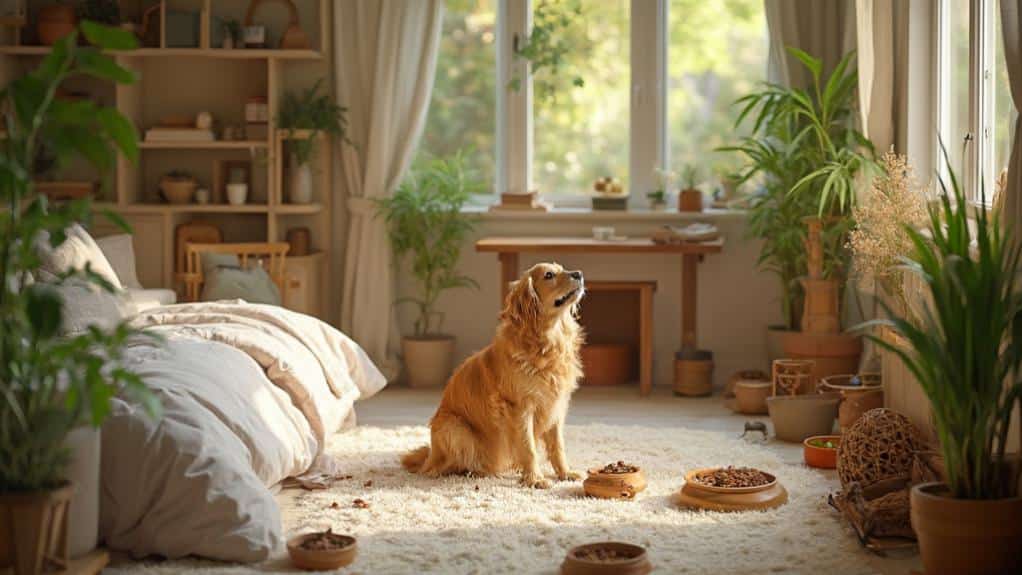
When it comes to eco-friendly pet care, choosing the right food plays an essential role. To minimize your pet's environmental impact, opt for pet food brands that prioritize sustainable sourcing. Look for options using whole animal proteins and minimal by-products, as well as those incorporating organic ingredients. These choices promote healthier ecosystems by avoiding harmful pesticides and synthetic fertilizers.
Organic pet foods offer numerous benefits for both your pet and the environment, including improved nutrition and reduced ecological impact.
Eco-friendly packaging is another vital factor to take into account. Select brands that utilize biodegradable or recyclable materials to minimize plastic waste. Additionally, investigate pet food companies implementing sustainable manufacturing practices, such as using renewable energy and reducing water usage in production.
To further support environmental initiatives, choose brands that give back to pet welfare organizations or contribute to ecological causes. This enhances their overall commitment to sustainability.
When shopping for green pet food options, carefully read labels and research companies' practices. Look for certifications indicating organic ingredients or sustainable sourcing.
Recycled and Upcycled Pet Accessories
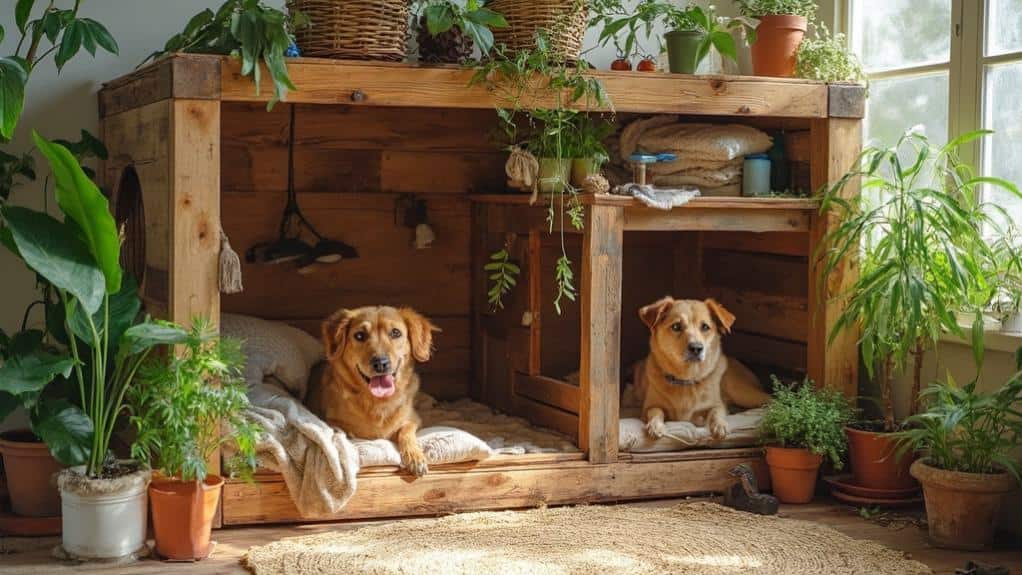
Pet accessories don't have to come at the cost of the environment. You can create a pet-friendly home that's both stylish and sustainable by incorporating recycled and upcycled items.
Start by seeking out recycled pet accessories, such as beds made from recycled plastic bottles, which help reduce landfill waste while providing comfort for your furry friend. Look for eco-friendly pet toys crafted from natural or recycled materials, ensuring both safety and sustainability. These sustainable playthings not only entertain your pets but also contribute to a greener world by reducing waste and promoting responsible consumption.
Consider upcycling old furniture into unique solutions for your pet's needs. Transform an outdated side table into a feeding station or repurpose a vintage suitcase into a cozy bed.
These projects not only save money but also add character to your home. For DIY enthusiasts, create scratching posts from cardboard tubes or toys from fabric scraps, reducing costs and environmental impact while keeping your pet entertained.
When shopping for pet supplies, support brands that prioritize sustainable practices, such as using biodegradable packaging and sourcing materials responsibly.
Water Conservation for Pets
When it comes to water conservation for pets, you can start by implementing low-flow pet washing techniques.
Install a low-flow showerhead or use a hose with a spray nozzle attachment to reduce water usage during baths, and consider collecting rainwater in a barrel or cistern for pet-related tasks.
Low-Flow Pet Washing
Three key strategies can help you conserve water when washing your pets: using showers over baths, employing efficient water systems, and considering outdoor bathing options.
Opt for a shower with a handheld sprayer to reduce water usage and gain precise control over water flow. This method is considerably more eco-friendly than filling a bathtub, which can waste up to 20 gallons per use.
To further minimize water consumption, consider these low-flow pet washing techniques:
- Use professional groomer-inspired efficient water systems
- Rinse pets outdoors after natural water play to remove irritants
- Utilize natural water sources for bathing, with proper safety measures
- Invest in low-flow shower heads specifically designed for pet grooming
- Collect and reuse greywater from pet washing for garden irrigation
Rainwater Collection Systems
Rainwater collection systems offer an ingenious way to cut down on your pet's water consumption while reducing your environmental impact. By installing a properly designed system, you can capture and store precipitation for your pet's use, potentially saving up to 50% on your annual water bills.
A 1,000 square foot roof can collect approximately 550 gallons of water during a single inch of rainfall, providing ample supply for pet bathing and watering needs.
To implement this eco-friendly solution, start by installing a rain barrel or larger storage tank connected to your home's downspouts. Ascertain the system includes a first-flush diverter to remove initial contaminants and a filter to purify the collected water.
This makes rainwater a healthy option for pets, free from chemicals found in treated tap water. When using the collected water, remember to filter it properly before use.
Indoor Air Quality Improvements
For pet owners, maintaining excellent indoor air quality is essential for both animal and human health. To create an eco-friendly environment that promotes clean air, consider implementing these strategies:
- Install air purifiers with HEPA filters to reduce allergens and pet dander
- Regularly ventilate your home by opening windows or using exhaust fans
- Avoid indoor smoking and the use of strong fragrances
- Maintain ideal humidity levels between 30-50%
- Perform routine HVAC maintenance, including filter changes and duct cleaning
Start by investing in high-quality air purifiers with HEPA filters, placing them strategically throughout your home. These devices effectively capture airborne particles, including pet dander and allergens.
Next, establish a ventilation routine by opening windows daily or using exhaust fans to circulate fresh air and reduce indoor pollutants. Prohibit smoking indoors and minimize the use of strong fragrances or air fresheners, which can cause respiratory irritation in pets.
Monitor and control humidity levels using a hygrometer, employing dehumidifiers or humidifiers as needed to maintain the suitable range.
Finally, schedule regular HVAC maintenance to guarantee efficient air circulation and minimize dust accumulation.
Frequently Asked Questions
How Can I Make My Outdoor Pet Space More Environmentally Friendly?
To make your outdoor pet space more environmentally friendly, start by using recycled materials for structures and natural shelters.
Implement composting for pet waste and install solar lighting for energy efficiency.
Practice water conservation with rain barrels and choose native plants for landscaping.
Feed your pets organic food and provide eco-friendly toys.
Create wildlife habitats to support local ecosystems, and use sustainable fencing materials.
These steps will reduce your environmental impact while providing a healthy space for your pets.
Are There Eco-Friendly Alternatives to Traditional Flea and Tick Treatments?
You can protect your furry friend from unwanted visitors using eco-friendly alternatives.
Natural remedies like essential oils and herbal treatments offer effective options. Consider organic sprays, eco-friendly flea collars, and biodegradable shampoos for chemical-free protection.
Homemade solutions, using ingredients like neem oil or diatomaceous earth, can be effective preventative measures.
Holistic approaches, such as maintaining a healthy diet and regular grooming, help boost your pet's natural defenses.
Combine these methods for a thorough, environmentally conscious approach to pest control.
What Are the Best Plants for Creating a Pet-Safe, Eco-Friendly Garden?
When creating a pet-safe, eco-friendly garden, focus on non-toxic herbs like basil and mint, which are both edible and aromatic.
Incorporate air-purifying plants such as spider plants or Boston ferns for indoor greenery.
Outdoors, choose native species and low-maintenance options like pet-friendly succulents.
Consider natural deterrents like lavender or rosemary to keep pests at bay.
For added interest, plant edible flowers like pansies or marigolds.
Always research each plant thoroughly to guarantee it's safe for your specific pets.
How Can I Reduce My Pet's Carbon Pawprint During Travel?
To reduce your pet's carbon pawprint during travel, opt for eco-friendly carriers made from sustainable materials.
Choose travel-friendly supplies that are reusable and durable. When possible, select sustainable pet transport options, such as pet-friendly public transit or carpooling.
Consider carbon offsetting for longer trips. Pack responsibly with eco-conscious pet gear, minimizing waste.
Plan low-impact adventures and practice responsible pet tourism by respecting local environments.
Are There Sustainable Options for Pet Grooming and Bathing Products?
You can find sustainable options for pet grooming by choosing biodegradable shampoos, natural conditioners, and eco-friendly brushes.
Look for cruelty-free, organic, and vegan pet care products that come in refillable containers to reduce waste.
Use compostable wipes for quick clean-ups, and opt for zero-waste grooming tools when possible.
Many brands now offer sustainable grooming lines that are gentle on your pet and the environment.
Conclusion
You've now got a treasure trove of eco-friendly pet care strategies at your fingertips. By implementing these sustainable practices, you're not just creating a greener home for your furry friend; you're also contributing to a healthier planet. Remember, every small step counts. From choosing sustainable products to managing waste responsibly, you're paving the way for a more environmentally conscious pet ownership. Keep exploring and adapting these methods to fit your lifestyle, and you'll be well on your way to becoming a green pet parent extraordinaire.