
Heat Exhaustion Vs Heat Stroke in Pets: Natural Emergency Treatment
Heat Exhaustion Vs Heat Stroke in Pets: Natural Emergency Treatment
Heat exhaustion strikes when pets hit 103-104°F with heavy panting and lethargy, while heat stroke becomes life-threatening at 104°F+ with bright red gums, confusion, and potential seizures. For exhaustion, move pets to shade, apply cool towels to neck and groin areas, and offer small water sips. Heat stroke requires immediate vet care alongside cooling efforts. Flat-faced breeds face higher risks due to breathing difficulties. Quick temperature checks and recognizing symptom differences can mean survival versus tragedy.
Understanding the Critical Temperature Differences Between Heat Exhaustion and Heat Stroke
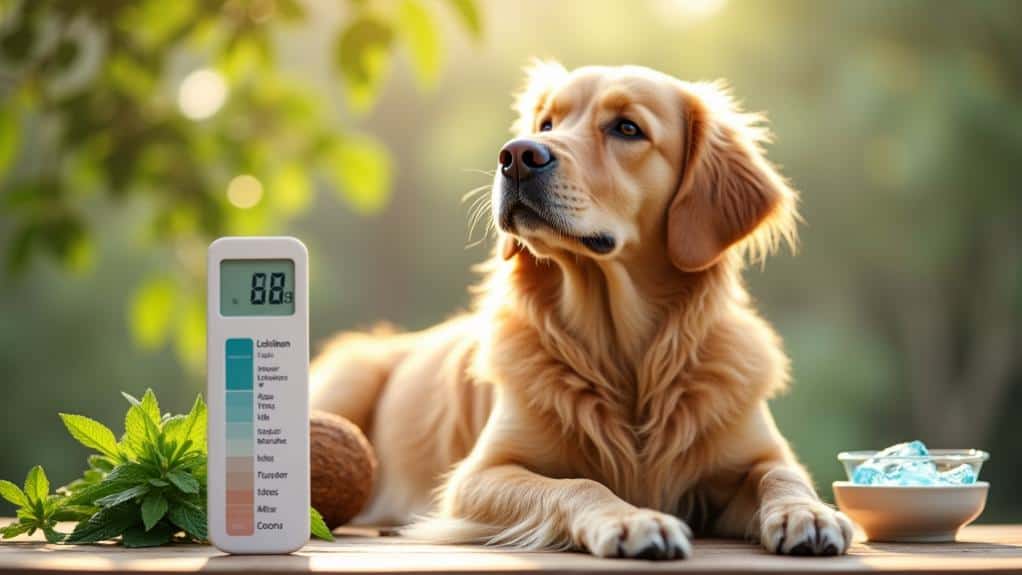
Heat stroke? That’s the scary neighbor at 104°F and above.
Above this threshold, natural cooling systems throw in the towel. Complete thermoregulatory failure. Dogs hitting 105.8°F are in critical territory where cellular damage begins cascading through organs.
The difference matters enormously.
Heat exhaustion responds to cooling and fluids. Heat stroke demands emergency intervention—it’s a true medical crisis with 50% mortality rates, even with treatment. Brachycephalic breeds face particularly elevated risks due to their compromised breathing anatomy. Dogs will exhibit excessive panting as their primary mechanism to dissipate heat and attempt cooling.
Room temperature water should be used for cooling rather than ice, which can cause blood vessels to constrict and worsen the condition. Once initial cooling is achieved, electrolyte solutions can help restore proper fluid balance and support recovery in heat-exhausted pets. Natural electrolyte supplements provide essential minerals that help maintain cellular function during the recovery process. Veterinarian-approved solutions provide the most effective rehydration for dehydrated animals during heat-related emergencies.
Recognizing Early Warning Signs of Heat Exhaustion in Dogs and Cats
When pets start showing subtle signs of overheating, many owners dismiss them as normal summer behavior—big mistake. Those early warning signs? They’re your furry friend’s SOS signals.
Watch for changing panting patterns first. Dogs normally pant lightly after exercise, but heat exhaustion brings heavy, persistent panting that continues even in cool shade.
Cats open-mouth panting? That’s serious—cats almost never pant normally.
Drooling behavior shifts dramatically too. Thick, sticky saliva replaces normal drool. Your pet may seek cool surfaces obsessively, show unusual lethargy, or display that wide-eyed stressed look.
Dark pink gums signal trouble brewing.
Don’t wait for collapse. These early signs mean your pet needs immediate cooling intervention. You can also check for a rapid heartbeat by observing quick chest movements or gently feeling their pulse. Older dogs and those with pre-existing health conditions face significantly higher risks during heat exposure. Remember that your pet’s normal internal temperature should range from 101 to 102.5°F, so any elevation above this range indicates developing heat illness. Keep instant cooling towels on hand during hot weather to provide immediate relief when overheating symptoms appear. Elderly pets benefit from specialized cooling gear designed specifically for their increased vulnerability to heat-related illness. Cooling vests offer targeted protection for senior dogs who are particularly prone to heat stroke. Trust your instincts—you know your animal best.
Identifying Life-Threatening Heat Stroke Symptoms That Require Emergency Action
Missing those early warning signs can spell disaster—because heat exhaustion escalates to heat stroke with frightening speed.
Heat stroke symptoms demand immediate emergency response. No second chances here.
Watch for rectal temperatures exceeding 104°F. Bright red, pale, or blue gums? That’s circulatory crisis territory.
Your pet stumbling around confused, collapsing, or having seizures means their brain is literally cooking. Terrifying, right?
Rapid heart rate, labored breathing, and weak pulses signal cardiovascular strain.
Vomiting blood or bloody diarrhea? Internal organs are shutting down.
Those pinpoint bleeding spots on gums or ears in cats? Multi-organ failure is starting.
When cooling measures fail to improve symptoms—or they worsen—you’re facing life-threatening heat stroke.
Heat stroke causes systemic inflammation that affects major body systems and risks organ failure, requiring immediate veterinary contact.
Time becomes your enemy. Every minute matters for survival.
Unlike normal overheating where dogs recover quickly in cooler environments, heat stroke continues worsening despite your cooling efforts.
Remember that ice-cold water can actually shock your pet’s system and worsen their condition.
Immediate Natural Cooling Techniques for Overheated Pets
Every second counts when a pet shows signs of overheating, but panic won’t help anyone—including that panting pup who needs immediate relief. Move them to shade or air conditioning immediately. Cool tile floors work wonders for heat transfer.
Effective cooling techniques start with damp towels on necks, armpits, and groin areas. Not ice-cold—just cool. Add a fan for extra evaporation power. Pressure-activated mats can provide instant cooling relief without requiring electricity or refrigeration.
Smart hydration strategies involve offering cool water in small amounts. Force-feeding water? Bad idea. Let them drink naturally.
Head dunking in shallow water provides rapid relief for willing participants. Some dogs love this; others act offended. This technique works because increased blood flow to the head, nose, tongue, and ears during heat stress allows for rapid overall body cooling with minimal water.
Cooling vests and mats offer sustained comfort during recovery. Gel mats that activate under your pet’s body weight provide continuous temperature relief throughout the recovery process. When power fails, battery-powered fans become essential lifesavers for maintaining airflow around overheated pets. Monitor closely—shivering means stop cooling immediately. Rest is mandatory until breathing normalizes. Remember that brachycephalic breeds face particular challenges cooling down effectively due to their compressed airways.
Pay special attention to puppies and seniors as they struggle more with temperature regulation and require extra vigilance during cooling efforts.
Safe Water Application Methods for Emergency Temperature Reduction
Water becomes a lifeline during pet heat emergencies, but application method matters more than most people realize.
Forget the ice bucket challenge. Your overheated pup needs lukewarm water, not arctic shock treatment that actually traps heat inside through vasoconstriction.
Target those cooling sweet spots: neck, groin, armpits. These areas pack major blood vessels close to the surface.
Smart water immersion means shallow kiddie pools where pets can self-regulate—chest-deep max. No forced dunking of distressed animals.
Train your dog to voluntarily dunk their head in cool water. Sounds crazy? It’s actually the most effective rapid cooling technique available. Research from the Penn Vet Working Dog Center shows that dogs cool down faster using this method compared to other techniques.
For cats and reluctant dogs, cool damp towels work wonders. Just remember: rewet frequently or you’re basically wrapping them in heated blankets. Adding a fan to your cooling setup enhances evaporative cooling and helps remove heat more efficiently from your pet’s body.
Watch for excessive panting, drooling, or lethargy as these are telltale signs your pet is moving from heat exhaustion toward dangerous heatstroke territory.
Creating Optimal Recovery Environments During Heat Stress Episodes
Once the immediate cooling phase ends, the recovery environment becomes just as critical as those first frantic minutes.
Smart environmental modifications create the foundation for successful healing. Cool, well-ventilated spaces with fans or air conditioning work wonders. Remove direct sunlight completely—compromised pets can’t handle additional heat buildup.
Comfort strategies matter enormously. Position pets on tile floors or cool surfaces for natural heat dissipation. Soft bedding helps too. Keep things quiet and calm. Stressed pets generate more heat. Not helpful. For budget-conscious pet owners, you can create DIY cooling mats using simple supplies like cooling gel and fabric for effective temperature regulation.
Fresh water access remains non-negotiable. Small, frequent sips beat chugging marathons. Monitor breathing, gum color, and alertness religiously. Temperature checks every few minutes prevent overcooling disasters. Cooling mats provide consistent temperature regulation without the risk of over-chilling that ice packs can cause.
At-risk breeds need extra vigilance. Flat-faced friends struggle longer. Brachycephalic breeds like pugs and bulldogs face significantly higher susceptibility to heat-related complications during recovery. Energy-efficient cooling methods can help maintain stable temperatures without creating additional stress on recovering pets. Ongoing monitoring of vital signs and organ function ensures proper healing progress. Recovery isn’t just surviving—it’s thriving again.
When Natural Treatments Aren’t Enough: Recognizing the Need for Veterinary Care
While home cooling methods work wonders for mild heat stress, some situations demand professional intervention—and fast. When pets show neurological signs like disorientation or seizures, it’s game over for DIY treatments. Body temperatures stubbornly stuck above 103°F? Time to move.
| Red Flag Symptoms | What It Means |
|---|---|
| Persistent vomiting/bloody diarrhea | Internal organ stress |
| Collapse or abnormal heart rate | Cardiovascular compromise |
| Seizures or stupor | Neurological involvement |
| Temperature won’t drop below 103°F | Cooling failure |
| Brachycephalic breeds affected | Higher complication risk |
Veterinary intervention provides IV fluids, oxygen therapy, and advanced monitoring that no home remedy can match. Short-muzzle breeds, older pets, and overweight dogs face significantly higher risks and require even more urgent professional care. Don’t gamble with delayed care—heatstroke kills within hours, and some damage stays hidden for days. Even after successful cooling, dangerous complications like kidney failure can emerge days later, making professional monitoring essential. Watch for dry, sticky gums as another warning sign that indicates your pet needs immediate veterinary attention.
High-Risk Pet Categories Most Vulnerable to Heat-Related Illnesses
Not all pets face equal odds when temperatures soar—some furry friends are fundamentally walking heat magnets thanks to their genetics, age, or body type.
Flat faced breeds like Pugs and French Bulldogs face four times higher heatstroke risk. Can’t pant efficiently.
Chow Chows top the danger list with their double-whammy of thick coats plus smooshed faces.
Age vulnerability peaks around 8-10 years when cardiovascular systems struggle. Older hearts just can’t keep up with cooling demands. Dogs aged 4 to 6 years also show elevated heatstroke risks compared to younger animals under two. Puppies and elderly dogs have less efficient heat management systems.
Environmental triggers hit harder when pets carry extra weight. Obesity risk amplifies every heat challenge—extra insulation nobody wants.
Purebred incidence consistently exceeds mixed breeds across studies. Males get hit harder than females, though nobody’s quite sure why.
Geographic location matters too. Desert dwellers, prepare accordingly.
Heat-related illness carries a 23% fatality rate among diagnosed cases, making early recognition and intervention absolutely critical for pet survival. Supporting your pet’s recovery with B-complex vitamins can help restore depleted energy levels after heat stress episodes. Natural energy supplements can also provide additional support for senior dogs experiencing heat exhaustion.
Essential Prevention Strategies for Hot Weather Safety
Knowing which pets face the highest risk makes prevention planning that much smarter. Smart pet parents create multiple hydration stations throughout their homes and yards—fresh water everywhere. Timing matters too. Early morning walks? Perfect. Midday adventures? Hard pass.
| Prevention Strategy | Indoor Application | Outdoor Application |
|---|---|---|
| Hydration Stations | Multiple bowls, frequent refills | Portable bottles, collapsible bowls |
| Cooling Accessories | Cooling mats, fans, AC | Cooling vests, shade cloths |
| Timing Control | Cross-ventilated rooms | Early morning/late evening only |
| Emergency Prep | Vet checkup scheduling | Never leave in parked cars |
Cooling accessories like mats and vests aren’t just trendy—they’re lifesavers for thick-coated breeds. And that parked car? Deadly within minutes, even with cracked windows. Prevention beats emergency treatment every single time. Flat-faced breeds like bulldogs and pugs need extra cooling precautions since they’re particularly vulnerable to overheating due to their breathing difficulties. Before heading out, use the 5-second rule to test pavement temperature against your hand to protect your pet’s paws from burns. Adding ice cubes to water bowls provides extra cooling relief during scorching temperatures. Investing in breathable booties provides another layer of protection for sensitive paw pads when hot surfaces can’t be avoided. Portable shade structures provide essential protection for pets during final summer outdoor events and gatherings. For additional paw protection, consider applying protective balms that create a barrier against hot pavement and concrete burns.
Monitoring Your Pet’s Recovery and Avoiding Dangerous Overcooling
Recovery from heat exhaustion or heat stroke becomes a delicate balancing act—too little cooling leaves pets in danger, while too much creates an entirely new emergency.
Temperature monitoring becomes your best friend here. Stop active cooling when that thermometer hits 103°F—seriously, put down the wet towels. Your pet’s core temperature keeps dropping even after you stop, like a runaway freight train.
Watch for recovery signs: improved alertness, steadier breathing, pinker gums. The Mella non-invasive pet thermometer offers a convenient way to track temperature without additional stress during this critical monitoring period.
But stay vigilant for the sneaky rebound hypothermia that can crash the party hours later. Anything below 100°F? Time to warm them up gently.
Skip the ice baths entirely—they’re shock magnets. Cold water should be avoided completely as it can cause dangerous shock to your pet’s system. Keep monitoring rectal temperature for 24-48 hours post-crisis. Your thermometer is now your security blanket.
Brachycephalic breeds face increased vulnerability to heat-related emergencies due to their compromised breathing anatomy. Keep monitoring rectal temperature for 24-48 hours post-crisis. Your thermometer is now your security blanket.
Frequently Asked Questions
Can I Use Rubbing Alcohol to Cool My Overheated Pet Quickly?
Limited rubbing alcohol application on paw pads can assist pet cooling methods during emergencies. However, rubbing alcohol safety requires careful consideration—use sparingly, monitor for ingestion risks, and seek immediate veterinary care while implementing gradual cooling techniques.
How Long Does It Typically Take for Heat Exhaustion to Progress to Heat Stroke?
Lightning-fast progression occurs when heat stress symptoms escalate from exhaustion to stroke within 15-60 minutes under severe conditions. Caregivers must implement immediate cooling techniques upon recognizing early signs to prevent this dangerous shift in vulnerable pets.
Are Certain Coat Colors More Susceptible to Heat-Related Illnesses Than Others?
Dark-colored coats absorb more solar radiation, increasing coat color impact on heat vulnerability. Black and darker breeds show greater breed susceptibility to heat-related illnesses compared to lighter-colored pets, requiring enhanced monitoring and protection.
Can Pets Develop Heat Stroke Indoors if There’s No Air Conditioning?
Yes, pets can develop heat stroke indoors without air conditioning when indoor temperature rises excessively. Pet cooling becomes critical as animals struggle to regulate body temperature through panting alone in poorly ventilated, humid indoor environments.
Should I Shave My Long-Haired Pet’s Coat During Summer Heat Waves?
Like cutting an umbrella during a storm, shaving long-haired pets removes natural insulation. Despite perceived shaving pros, grooming tips emphasize brushing and trimming instead, helping pet owners preserve their companions’ temperature regulation.
References
- https://bevsvt.com/blog/hot-under-the-collar-heat-exhaustion-vs-heat-stroke-in-pets/
- https://clarkroadanimalclinic.com/services/cats/blog/how-hot-too-hot-heat-stress-pets
- https://www.petmd.com/cat/conditions/systemic/heatstroke-cats
- https://www.purina.com/articles/cat/health/symptoms/heat-stroke-in-cats
- https://thecovevets.com/blog/heat-stroke-exhaustion-key-differences/
- https://pmc.ncbi.nlm.nih.gov/articles/PMC5800390/
- https://www.akcchf.org/disease-history/heat-stroke-and-heat-exhaustion/
- https://www.petmd.com/dog/conditions/systemic/heatstroke-dogs
- https://thegardenvet.com/blog/5-warning-signs-of-heat-exhaustion-in-pets-every-owner-should-know/
- https://www.noahsarkvet.com/11-symptoms-of-heat-exhaustion-in-dogs