
Holistic Approaches to Spring Shedding: Managing Your Home and Pet’s Coat
Holistic Approaches to Spring Shedding: Managing Your Home and Pet’s Coat
Spring shedding isn’t just annoying—it’s biological. Your pet’s dumping their winter coat, and you’re drowning in fur. Combat this hairy situation with omega-3 supplements and quality protein-rich food. Don’t over-bathe; it strips essential oils. Instead, use breed-appropriate brushing: daily for long coats, weekly for short. HEPA vacuuming daily saves your sanity, while air purifiers trap floating fur. The right holistic approach transforms this furry nightmare into a manageable seasonal change.
Understanding the Natural Cycle of Seasonal Coat Changes
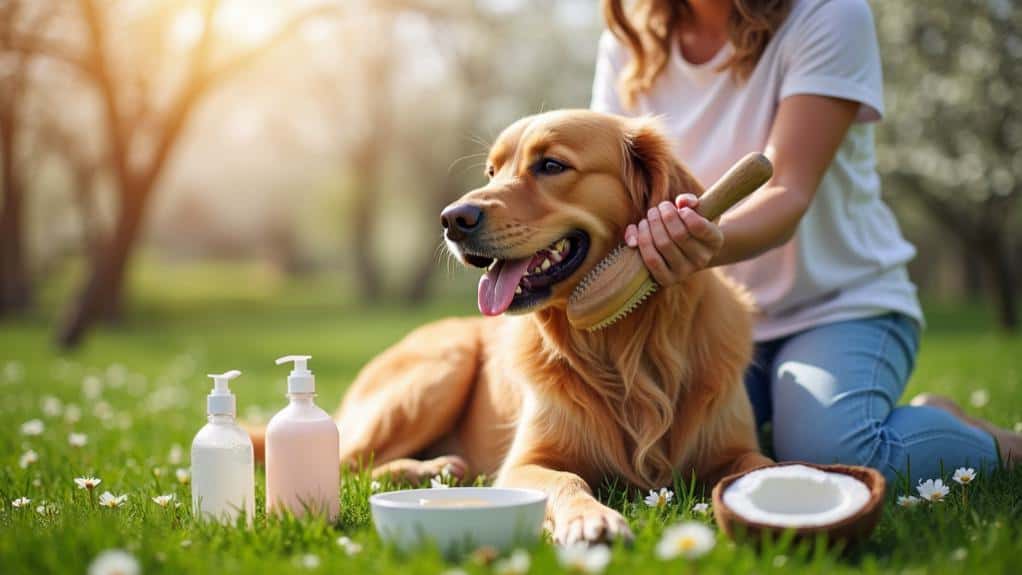
As daylight stretches longer each day, your furry companion’s body kicks into shedding mode. It’s science, not spite. Their brain registers increased light through the pineal gland, triggering hormone shifts—specifically melatonin and prolactin—that activate the great fur exodus.
Most pets experience this “coat blow” twice yearly, spring and fall. Seasonal shedding helps pets prepare for warmer weather with a lighter summer coat and colder weather with a thicker winter coat. Nature’s way of adapting. Smart, really.
The process typically runs March through May, lasting 2-4 weeks. Brutal but necessary. Supporting your pet’s immune function during shedding seasons helps ensure healthy new coat growth and reduces stress on their system.
Prepare yourself. Four weeks of fur fury is nature’s non-negotiable spring cleaning ritual.
Double-coated breeds like Huskies? They’re shedding champions. Trophy-worthy fur piles everywhere. This natural adaptation is similar to how snowshoe hares transition from white to brown fur as daylight length changes, rather than responding to temperature.
Your indoor environment matters too. Artificial lighting can confuse your pet’s natural rhythms. This mirrors the same genetic flip-flop timer that influences seasonal coat changes in various animals studied by researchers.
Your apartment-dwelling Shepherd might shed differently than his farm-living relatives. Same genes, different lightbulbs. Pets that spend most of their time indoors typically experience less aggressive shedding than those who venture outside regularly. Proper winter care during colder months can significantly impact how your pet’s coat transitions into spring.
Evolution designed this system over thousands of years. You won’t outsmart it. Senior dogs may experience more dramatic shedding cycles as their holistic needs change with age. Regular grooming with bamboo combs can help distribute natural oils throughout your pet’s coat, promoting healthier skin and reducing shedding impact. Using bamboo massage tools can enhance blood circulation and alleviate muscle tension while simultaneously removing loose fur during shedding season.
Essential Nutrition and Supplements for Healthy Fur
While your pet’s fur flies around like a winter blizzard in spring, what’s happening inside their body matters just as much as your brushing routine.
Those omega-3 and omega-6 fatty acids aren’t just trendy supplements—they’re coat-saving essentials. Healthy fats help lock moisture into your pet’s skin and coat, just as they do for human hair.
Your pet needs protein. Period. Without it, that gorgeous fur doesn’t stand a chance.
Fish oil works wonders, but so does actual fish. Imagine that. Real food helping real problems.
Don’t go supplement-crazy without talking to your vet first. Dosage matters, and too much of a good thing can backfire spectacularly.
Water. Fresh. Clean. Always. It’s not rocket science, folks.
And choose pet food that doesn’t look like it was swept off a factory floor. Quality matters—your vacuum cleaner will thank you.
Consider adding biotin to your pet’s regimen, as this B-vitamin is critical for hair and helps maintain healthy fur growth even during heavy shedding seasons.
Over-bathing can strip natural oils from your dog’s skin, leading to increased dryness and a duller coat appearance.
Proper nutrition is crucial for managing seasonal shedding and maintaining overall coat health during spring transitions from heavier winter coats to lighter summer ones. Double-coated breeds typically experience more dramatic seasonal shedding and benefit most from dietary interventions.
The skin and coat make up 10% to 15% of your pet’s total body weight, highlighting why proper nutritional support is essential for managing shedding effectively.
Joint supplements containing green-lipped mussel can provide omega-3 fatty acids that not only support mobility but also contribute to healthier skin and coat condition.
Adding organic bone broth to your pet’s diet can boost collagen intake, supporting joint health and improving the overall quality of their coat during heavy shedding periods.
Some pet owners find that supplements containing Boswellia extract can help reduce inflammation and improve overall comfort for senior pets dealing with both joint issues and seasonal coat changes.
For optimal results, look for organic pet multivitamins that include probiotics to support both digestive health and coat quality during seasonal transitions.
Choosing organic supplements for your pet ensures they receive natural ingredients without harmful chemicals that could irritate sensitive skin during shedding season.
Home Management Strategies During Peak Shedding Season

When your home transforms into a fur factory during shedding season, strategic cleaning becomes your only defense.
Invest in a quality HEPA vacuum and use it. Daily. Not kidding. Those lint rollers? Keep them everywhere.
When fur invades your life, a daily date with your HEPA vacuum becomes non-negotiable. Strategic lint roller placement is your only hope.
You’ll thank yourself for setting up designated grooming areas. Trust me.
Hard flooring beats carpets every time—fur can’t hide on tile. And those washable furniture covers? Lifesavers.
Air purifiers aren’t just fancy noise machines—they actually trap airborne fur before it settles on your black pants. Again.
Create a 10-minute daily cleaning routine. It’s better than the weekend fur-apocalypse that awaits procrastinators.
Wash pet bedding weekly and separate pet laundry. Because nobody wants a business suit covered in your retriever’s spring coat.
Consider bathing your pet with pH-balanced formulas that won’t strip natural oils while effectively removing loose fur during bath time.
Consider applying paw protection wax to keep your pet’s pads moisturized and limit tracking of loose fur through the house.
Understanding that seasonal shedding occurs most heavily during spring and fall transitions can help you anticipate and prepare your home accordingly.
Consider how your pet’s specific breed characteristics can influence shedding patterns, as some breeds like German Shepherds and Huskies naturally shed more than others.
Regular brushing not only removes loose hair before it falls, but also distributes your pet’s natural oils throughout their coat, improving skin health and reducing overall shedding.
Professional grooming services offer specialized techniques for heavy shedders that can significantly reduce the amount of fur in your home during peak shedding seasons.
Adding supplements with omega-3 fatty acids to your pet’s diet can improve coat health and potentially reduce excessive shedding.
Keep biodegradable wipes handy to quickly clean up loose fur from surfaces and reduce allergens throughout your home.
Apply natural moisturizers like coconut oil to your pet’s coat to combat dryness and minimize excessive shedding due to poor skin health.
Effective Grooming Techniques and Tools for Different Coat Types
Understanding your pet’s coat type is the first step in winning the shedding battle. You can’t fight fur with the wrong weapons.
Short-coated pets? Weekly brushing with a soft bristle brush. Done.
Medium coats demand more—hit them with a slicker brush 2-3 times weekly.
Long-haired divas? Daily brushing or face the consequences.
Those double-coated shedding machines need an undercoat rake twice weekly, daily during shedding season. Trust me.
Tools matter. Slicker brushes work for most, but double-coated breeds need that specialized rake.
De-shedding tools are worth every penny.
And for heaven’s sake, bathe them properly—every 4-6 weeks with thorough rinsing.
Leave-in conditioner isn’t just for humans, folks. Your long-coated friends need it too.
For wire-haired breeds like Fox Terriers and Schnauzers, hand-stripping techniques are essential for maintaining their distinctive rough texture rather than just clipping.
For curly-coated breeds like Poodles and Bichon Frise, using coat spray while brushing helps prevent damage and makes detangling much easier.
Consider using alcohol-free wipes for cleaning your pet’s ears as part of your regular grooming routine to prevent infections and irritation.
Breeds like German Shepherds and Border Collies are considered heavy shedders and require more intensive grooming routines than others.
Consider applying a pet-friendly natural balm to paw pads after grooming to prevent cracking and dryness in active pets.
After outdoor adventures, use pH-balanced paw washes to remove allergens and debris without disrupting your pet’s natural skin barrier.
Don’t forget that regular grooming of curly-coated breeds is essential to prevent tangling and matting while maintaining their unique coat shape.
When selecting grooming tools, consider that different clippers are rated for specific coat types, with super duty models being necessary for thick or matted coats while light use clippers work best for puppies and thin coats.
Between baths, consider using eco-friendly bamboo wipes that are infused with natural ingredients like aloe vera and shea butter for gentle, effective cleaning.
For pets prone to ear issues, incorporate witch hazel based ear cleaners into your grooming routine to naturally remove debris and maintain proper ear hygiene.
Natural Remedies and Holistic Treatments to Support Skin Health

Grooming tools solve half the shedding equation—but let’s address what’s happening beneath that fur.
Your pet’s skin needs serious TLC during shedding season.
Omega-3s are your best friend here. Add fish oil to their kibble and watch their coat transform. Seriously. Coconut and olive oils work wonders too—just a drizzle twice weekly. Consider incorporating calendula-infused oil to soothe irritated or dry skin while promoting healthy coat growth. Using supplements free from artificial additives ensures you’re providing clean nutrition that won’t trigger sensitivities.
Healthy skin, less shedding. Fish oil transforms coats from the inside out. Two drops is all it takes.
For itchy spots? Chamomile tea soaks. They actually work.
Diet matters more than you think. Quality protein rebuilds skin cells. Throw in some plain yogurt for those gut-friendly probiotics. Your dog’s microbiome affects their skin. Science. Supporting digestive enzymes naturally helps your pet absorb nutrients critical for coat health. Adding dental powders containing natural enzymes can simultaneously support both oral health and address digestive issues that affect coat quality. Liquid vitamin drops provide precise dosing based on your pet’s specific weight and needs, making them ideal for tailoring supplementation during heavy shedding periods.
For immediate relief, colloidal oatmeal baths are magical. Regular bathing with oatmeal helps remove allergens that accumulate on your pet’s coat during spring. Aloe vera gel provides cooling relief for inflammation and can be safely applied to irritated skin areas. Apple cider vinegar diluted 50/50 kills mild yeast infections. Not fancy, just effective.
Remember: hydration and exercise improve circulation. Stressed dogs shed more. Period.
Quercetin supplements can provide significant relief as they work as a natural antihistamine for pets suffering from seasonal allergies that worsen during shedding periods.
Double-coated breeds experience seasonal shedding more dramatically, especially during spring when they shed their dense winter undercoat.
Wild-caught Alaskan salmon oil is particularly effective as it contains fewer toxins and contaminants while delivering maximum health benefits for your pet’s coat.
References
- https://dslaboratories.com/blogs/news/spring-shedding-understanding-hair-loss-in-the-season-of-renewal
- https://pracownik.kul.pl/files/12439/public/3_David.pdf
- https://horsesport.com/magazine/equine-ownership/tips-managing-spring-shedding/
- https://eternalhair.com/spring-shedding-understanding-the-seasonal-hair-loss-cycle/
- https://njfue.com/blog/spring-shedding-seasonal-hair-loss-cycle/
- https://www.progressive.com/lifelanes/control-dogs-seasonal-shedding/
- https://www.advancedhairstudioindia.com/blogs/spring-shedding-a-guide-to-seasonal-hair-loss-cycle
- https://vetster.com/en/wellness/is-your-dog-s-spring-shedding-normal
- https://www.danielalain.com/pages/seasonal-hair-shedding
- https://www.earthbath.com/blogs/earthbath-blog/spring-shedding-season