
Indoor Cat Wellness: Natural Health Solutions
Indoor Cat Wellness: Natural Health Solutions
To guarantee your indoor cat's wellness through natural health solutions, focus on a balanced, grain-free diet with high-quality protein and essential nutrients like L-Carnitine. Implement weight management strategies by controlling portions and incorporating regular exercise. Address common health concerns with probiotic supplements and digestive-friendly foods. Provide mental stimulation through interactive toys and vertical spaces for exploration. Maintain proper grooming habits, including weekly brushing and nail trimming. Create a cat-friendly environment with climbing options, cozy resting spots, and environmental enrichment toys. By following these guidelines, you'll be well on your way to optimizing your feline friend's health and happiness. The following sections offer deeper insights into each aspect of indoor cat care.
Main Points
- Provide a grain-free diet with high-quality protein to support digestive health and maintain energy levels.
- Incorporate L-Carnitine and proper portion control for effective weight management in indoor cats.
- Ensure daily interactive playtime of 20-30 minutes to promote physical activity and mental stimulation.
- Create vertical spaces with cat trees and shelves to encourage exploration and natural behaviors.
- Use probiotic supplements and maintain regular grooming practices to support overall health and hygiene.
Understanding Indoor Cat Nutritional Needs
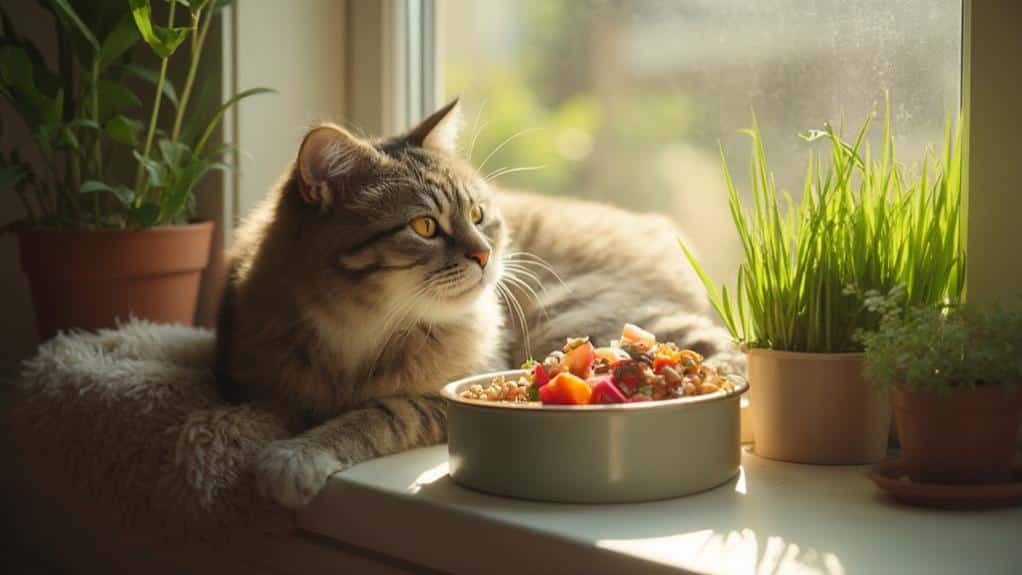
When it comes to indoor cat nutrition, understanding their unique dietary requirements is important for maintaining ideal health. Indoor cats need a grain-free diet to support their sensitive stomachs and overall well-being. Look for cat foods that omit fillers like corn and soy, as these can cause digestive issues.
Your indoor cat's diet should contain a minimum of 34% crude protein and 10% crude fat to guarantee they maintain energy levels despite their less active lifestyle. High-quality proteins from real meat sources, such as chicken or turkey, should be the primary ingredient in your cat's food to support muscle development and overall health.
Healthy fiber is essential for your indoor cat's digestive health, with a maximum crude fiber content of 5%. This aids in weight management and prevents obesity, which is common in less active indoor cats. Include L-Carnitine in your cat's diet to help manage weight and support metabolic health.
Important nutrients, such as Omega Fatty Acids and a blend of vitamins and minerals, are critical for enhancing skin and coat health, immune function, and overall well-being. When selecting food for your indoor cat, prioritize these nutritional elements to guarantee you're providing a balanced, health-promoting diet that addresses their specific needs as indoor pets.
Balanced Diet for Optimal Health
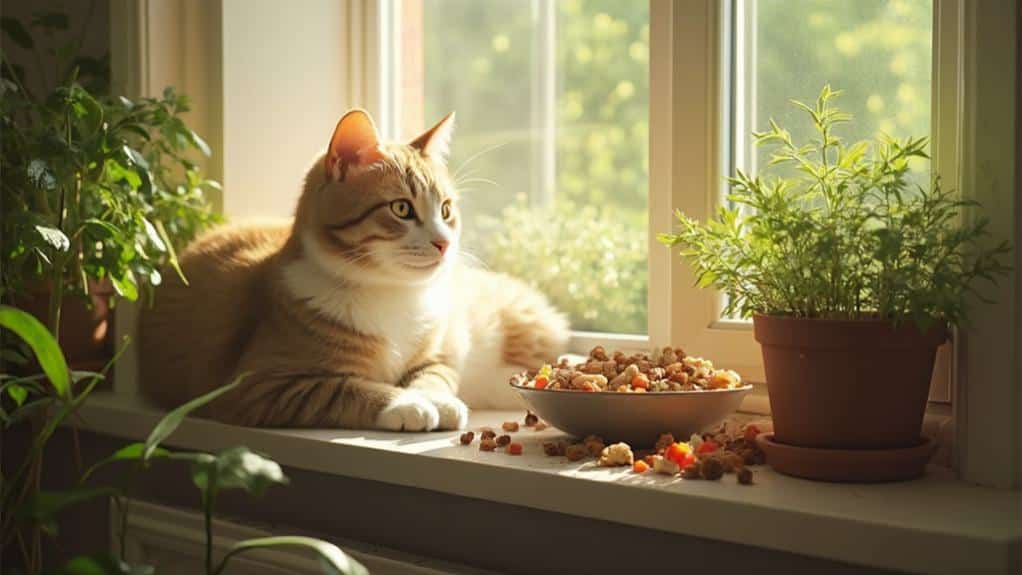
Now that we've covered the nutritional needs of indoor cats, let's focus on creating a balanced diet for ideal health. To guarantee your feline friend thrives, prioritize high-quality proteins like deboned chicken or turkey meal in their diet. These proteins support muscle maintenance and overall well-being.
Consider grain-free formulations, which are especially beneficial for sensitive cats, as they avoid common allergens such as corn and soy, promoting better digestion and nutrient absorption. Organic pet foods offer additional benefits, including fewer pesticides and no artificial preservatives, which can contribute to your cat's long-term health.
Incorporate healthy fiber and L-Carnitine into your cat's meals to aid in weight management and digestive health, vital for less active indoor cats. Don't forget to include Omega Fatty Acids, vitamins, and minerals, which contribute to a healthy coat, skin, and immune system.
When selecting cat food, look for products that contain these essential nutrients in appropriate proportions. Follow proper feeding guidelines based on your cat's weight to guarantee they receive the right amount of nutrients. This approach helps maintain ideal energy levels and prevents obesity.
Weight Management Strategies
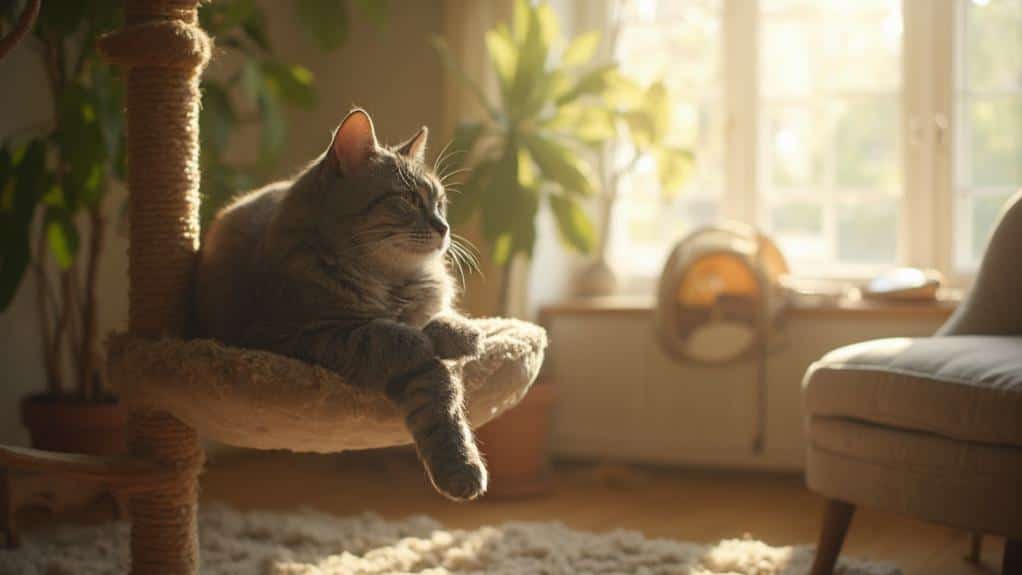
For indoor cats, maintaining a healthy weight is essential to their overall well-being. To achieve effective weight management, consider incorporating L-Carnitine into your cat's diet, which promotes fat metabolism and supports healthy energy levels.
Opt for a grain-free diet, such as Wellness Complete Health Grain Free Indoor Chicken Recipe, to regulate appetite and support digestive health in less active indoor cats. Limited ingredient diets can also be beneficial for cats with food sensitivities or allergies, helping to minimize potential digestive issues and promote overall health.
Regularly monitor your cat's weight and adjust daily food intake based on their activity level to prevent obesity. Provide high-quality protein sources, like deboned chicken, to guarantee balanced nutrition that promotes lean muscle mass.
Combining dry food with wet food can enhance hydration and increase satiety, contributing to effective weight control.
To implement these strategies, start by measuring your cat's food portions accurately and feeding them at consistent times. Gradually shift to a grain-free diet, mixing it with their current food over 7-10 days.
Incorporate wet food into their meals, aiming for a 70% dry to 30% wet food ratio. Monitor your cat's weight weekly, adjusting portions as needed to maintain an ideal body condition score of 5/9.
Addressing Common Health Concerns
To address common health concerns in indoor cats, you'll need to focus on weight management and digestive health solutions.
Implement a balanced diet rich in healthy fiber, such as Wellness Complete Health Grain Free, to combat obesity risks associated with a sedentary lifestyle. Incorporating probiotic supplements can greatly improve your cat's gut health and overall well-being.
Look for products with diverse strains and high CFU counts to maximize effectiveness. Additionally, incorporate foods with L-Carnitine to aid in fat-to-energy conversion, and guarantee high-quality fiber sources are present to support regular bowel movements and prevent constipation, which are vital for maintaining your indoor cat's overall wellness.
Weight Management Strategies
Why is weight management vital for indoor cats? Indoor cats are prone to obesity due to reduced activity levels, making proper weight management essential for their overall health and longevity.
To effectively manage your cat's weight, consider implementing a grain-free diet, such as Wellness Complete Health Grain Free Indoor Chicken Recipe. These formulas utilize high-quality proteins and healthy fibers to keep your cat satiated while promoting weight control.
Incorporate L-Carnitine into your cat's diet to support fat metabolism and energy utilization. Follow feeding guidelines based on your cat's weight; for example, a 7-pound cat typically requires about 1/2 cup of food daily. Monitor portion sizes carefully to prevent overfeeding.
Combine dietary changes with regular play sessions to increase activity levels and burn calories. Many cat owners report success with grain-free diets, noting improvements in their pets' weight and overall health.
To implement an effective weight management strategy, start by shifting your cat to a grain-free formula gradually. Measure food portions accurately, adjust as needed based on your cat's progress, and encourage daily playtime.
Regular veterinary check-ups will help guarantee your cat maintains a healthy weight.
Digestive Health Solutions
Weight management and digestive health go hand in hand for indoor cats. To promote ideal digestive health, consider switching your feline companion to a grain-free diet, such as Wellness Complete Health Grain Free Indoor Chicken Recipe. This formulation reduces the risk of food sensitivities and allergies, common concerns for indoor cats.
The diet's healthy fiber content, derived from ingredients like peas and flaxseed, supports regular bowel movements and helps alleviate constipation issues often seen in less active indoor cats.
Additionally, the inclusion of probiotics from fermented Lactobacillus species enhances gut health by promoting beneficial bacteria, improving digestion and nutrient absorption.
L-Carnitine, present in the formula, not only aids in weight management but also contributes to overall digestive health by assisting with fat metabolism. This prevents excessive weight gain that may lead to digestive complications.
Moreover, Omega Fatty Acids from chicken and flaxseed support skin and coat health while maintaining a healthy digestive tract.
Exercise and Mental Stimulation

Keeping your indoor cat physically active and mentally engaged is essential for their overall well-being. To achieve this, aim for at least 20-30 minutes of interactive playtime daily. Use engaging toys like feather wands or laser pointers to activate your cat's hunting instincts, providing critical exercise and mental stimulation.
Incorporate puzzle feeders and treat-dispensing toys to encourage problem-solving behaviors, which can help reduce boredom-related destructive tendencies. Consider using environmental enrichment toys designed for cats, which can provide similar benefits to those used for dogs in promoting mental and physical stimulation.
Create vertical spaces in your home using cat trees or shelves to promote climbing and exploration, fundamental for physical fitness and mental enrichment. Vary your play sessions to prevent obesity and behavioral issues common in less active indoor cats.
Combine different activities, such as chasing toys, solving puzzles, and climbing, to keep your cat interested and engaged. By establishing a routine that includes these elements, you'll guarantee your cat receives adequate exercise and mental stimulation.
Remember to observe your cat's preferences and energy levels, adjusting activities accordingly. Consistent, varied play sessions will contribute greatly to your indoor cat's overall wellness, maintaining a healthy weight and promoting positive behaviors.
Grooming and Hygiene Practices
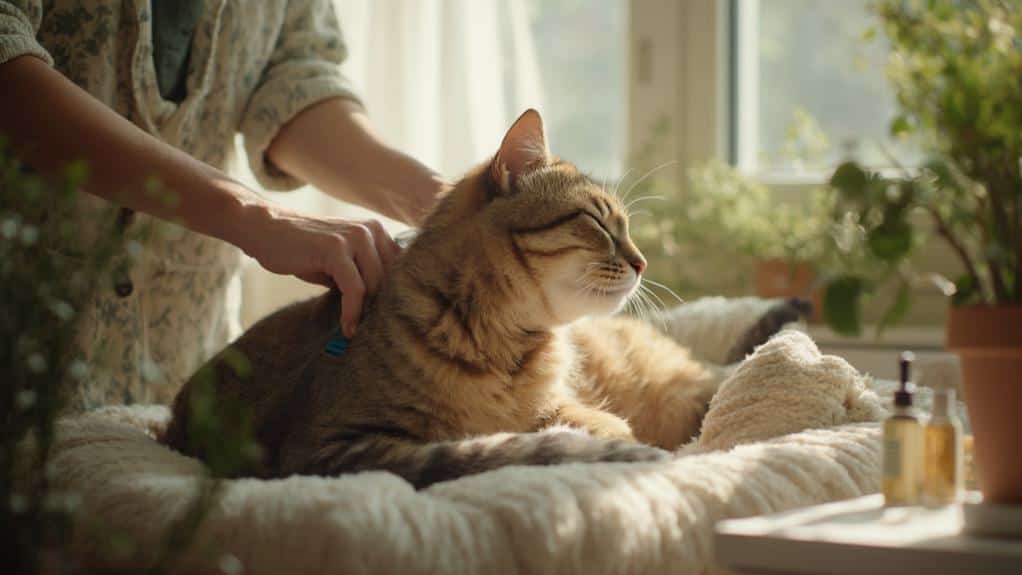
Although indoor cats generally maintain their own cleanliness, regular grooming and hygiene practices are essential for their overall health and well-being.
To reduce shedding and prevent hairballs, brush your cat at least once a week, which also helps distribute natural oils for healthier skin and coat. While bathing indoor cats isn't typically necessary, use a gentle, cat-specific shampoo if needed to maintain cleanliness without stripping essential oils.
Regular ear cleaning using natural pet cleaners can help prevent infections and maintain ear health in cats, especially those prone to wax buildup. Look for alcohol-free formulations with soothing ingredients like aloe vera or witch hazel.
Prioritize litter box hygiene by keeping it clean and odor-free, as this prevents urinary tract issues and respects your cat's sensitivity to dirty environments.
Incorporate regular nail trimming into your grooming routine to prevent overgrowth and potential injury, while also protecting your furniture from scratches. When trimming nails, use cat-specific clippers and avoid cutting too close to the quick.
Creating a Cat-Friendly Environment
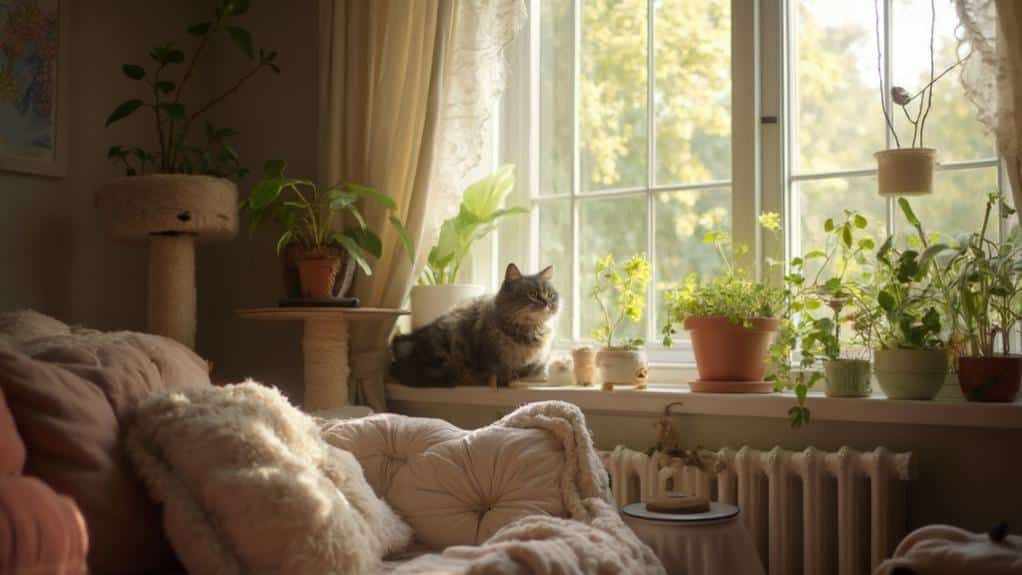
To create a cat-friendly environment, you'll need to focus on enriching indoor spaces and expanding vertical territory. Start by providing your feline companion with a variety of climbing options, such as cat trees, shelves, or window perches, which will satisfy their natural instinct to explore high places.
Incorporating environmental enrichment toys can greatly enhance your cat's quality of life and provide mental stimulation. These toys can include puzzle feeders, interactive wand toys, or even simple household items that pique your cat's curiosity.
Next, incorporate interactive toys and puzzle feeders throughout your home to stimulate your cat's mind and encourage physical activity, preventing boredom and promoting overall wellness.
Enriching Indoor Spaces
How can you transform your home into a feline paradise?
Begin by creating vertical spaces with cat trees and shelves, encouraging your indoor cat to climb and explore. This promotes physical activity and mental stimulation, essential for their overall well-being.
Next, introduce interactive toys and puzzle feeders to engage your cat's natural instincts and prevent boredom, which can lead to healthier weight management.
To further enrich your cat's indoor environment:
- Designate cozy resting spots in sunny areas, using cat beds or soft blankets.
- Install scratching posts and pads to satisfy natural scratching behaviors and maintain claw health.
- Add safe plants like cat grass or catnip for sensory enrichment.
- Rotate toys regularly to maintain interest and prevent monotony.
Vertical Territory Expansion
When it comes to creating a cat-friendly environment, expanding your feline's vertical territory is vital. Start by installing cat trees, shelves, and perches throughout your home. These vertical spaces provide your cat with opportunities to climb, explore, and observe their surroundings from elevated positions, which is essential for their mental stimulation and physical exercise.
Place cat-safe perches near windows to allow your indoor cat access to natural light and outdoor sights, enhancing their overall well-being. Incorporate interactive toys and climbing structures into these vertical spaces to improve your cat's agility and coordination. This combination of vertical territory and engaging activities will help reduce boredom and encourage a healthier lifestyle for your feline companion.
Remember that vertical spaces also serve as important retreats for cats, offering them a sense of security and control over their environment. By providing these elevated safe havens, you'll help reduce stress and anxiety in your cat.
When designing your cat's vertical territory, make sure that the structures are stable and easily accessible. Regularly inspect and clean these areas to maintain a safe and hygienic space for your cat to enjoy.
Frequently Asked Questions
Does Indoor Cat Food Work?
Indoor cat food does work when tailored to your feline's specific needs. It's formulated for lower activity levels, supporting weight management and ideal cat nutrition.
You'll notice improved digestion and coat health with high-quality, grain-free options. Complement this diet with consistent feeding schedules, proper hydration tips, and natural supplements for overall wellness.
Don't forget dental care and behavioral enrichment to keep your indoor cat healthy. For best results, combine specialized food with holistic approaches to indoor safety and activity.
Is Wellness Cat Food Made in the USA?
Yes, Wellness cat food is made in the USA. You'll find that their commitment to quality standards and pet food regulations is evident in their American manufacturing.
They offer grain-free options and use organic ingredients, prioritizing nutritional benefits and digestive health. While sourcing practices include globally sourced components, production occurs domestically.
You can explore their flavor variety and feeding guidelines on product labels. Wellness emphasizes ingredient transparency, allowing you to make informed choices about your cat's diet while adhering to strict quality control measures.
Is Wellness Cat Food Low in Iodine?
While Wellness cat food isn't specifically marketed as low in iodine, you should know that it's formulated to meet cats' nutritional needs, including thyroid health.
If you're concerned about iodine deficiency or excess, consult your vet. They can advise on dietary restrictions for your cat's specific needs.
Wellness benefits from natural ingredients and careful sourcing, which can help with food allergies and pet obesity.
For indoor cats, consider their lifestyle when choosing food, and ask about natural supplements if needed.
What Are the Ingredients in Wellness Cat Dry Food?
When examining Wellness cat dry food, you'll find a nutrient-balanced formula with carefully sourced ingredients.
The main protein sources are Deboned Chicken and Chicken Meal. For grain alternatives, it includes Peas and Potatoes, which also aid digestibility.
Added vitamins and L-Carnitine support overall health and weight management. Omega Fatty Acids from Flaxseed enhance skin and coat health.
Natural preservatives like Rosemary Extract are used. Consider allergy factors when reviewing the ingredient list, and follow provided feeding guidelines for ideal nutrition.
Conclusion
By implementing these natural health solutions, you'll enhance your indoor cat's wellness considerably. Consider Sarah's tabby, Whiskers, who struggled with obesity and lethargy. After adopting a balanced diet, interactive toys, and a cat-friendly environment, Whiskers lost weight and became more active. Remember, each cat is unique, so tailor these strategies to your feline's needs. Regularly consult with your veterinarian to monitor progress and adjust your approach as necessary, ensuring your indoor cat thrives in its domestic habitat.