
Introduction to Chinese Medicine for Pets
Introduction to Chinese Medicine for Pets
Traditional Chinese Veterinary Medicine (TCVM) offers a holistic approach to pet health, combining ancient wisdom with modern practices. You'll find TCVM rooted in the principles of Yin-Yang and the Five Elements, emphasizing the interconnectedness of bodily functions. Core treatment modalities include acupuncture, herbal medicine, food therapy, and tui-na. Acupuncture stimulates Qi flow, while herbal remedies address unique disease patterns. Food therapy focuses on the energetics of nutrition, and tui-na provides hands-on manipulation. TCVM often integrates with Western veterinary medicine, leveraging strengths from both systems for tailored care. This all-encompassing approach can effectively manage chronic conditions and enhance your pet's overall well-being. Exploring further reveals the depth of this ancient healing system.
Main Points
- Traditional Chinese Veterinary Medicine (TCVM) offers holistic pet care based on Yin-Yang and Five Elements principles.
- TCVM employs acupuncture, herbal medicine, food therapy, and Tui-na to restore balance and promote healing in pets.
- Acupuncture stimulates Qi flow through meridians, addressing chronic conditions, pain, and inflammation in various animal species.
- Chinese herbal medicine provides customized treatments for unique disease patterns, complementing other TCVM modalities.
- Food therapy focuses on the energetics of food to influence Qi balance and address specific health concerns in pets.
Foundations of TCVM

Delving into the foundations of Traditional Chinese Veterinary Medicine (TCVM) reveals a rich tapestry of ancient wisdom and holistic healing. At its core, TCVM embraces a thorough approach to animal health, focusing on the interconnectedness of bodily functions and external influences.
You'll find that this practice is built upon key principles, including the concepts of Yin-Yang and the Five Elements, which guide veterinarians in understanding health and disease patterns. Healing Paws explores these ancient practices, offering a unique perspective on pet wellness through Chinese medicine.
TCVM utilizes four primary treatment modalities: Acupuncture, Herbal Medicine, Food Therapy, and Tui-na.
Acupuncture, a cornerstone of TCVM, involves inserting specialized needles along Meridian Channels to stimulate Qi flow, essential for overall well-being.
Herbal Medicine employs combinations from the Chinese Herbal Materia Medica, tailored to each animal's unique disease patterns. This holistic approach allows practitioners to assess an animal's health status thoroughly, considering both internal and external factors.
Core TCVM Treatment Modalities
In Traditional Chinese Veterinary Medicine (TCVM), three core treatment modalities stand out for their effectiveness in pet care.
Acupuncture harnesses the power of Qi flow, using strategically placed needles to stimulate specific points along Meridian Channels, which can alleviate chronic conditions and promote overall health in your pet.
Herbal Medicine, another essential component, involves carefully crafted combinations of herbs from the Chinese Herbal Materia Medica, tailored to address your pet's unique health patterns and restore balance.
Food Therapy, the third pillar, focuses on adjusting your pet's diet based on the energetic properties of ingredients, supporting their well-being and preventing imbalances before they occur.
Acupuncture and Qi Flow
At the heart of Traditional Chinese Veterinary Medicine (TCVM) lies acupuncture, a core treatment modality that harnesses the power of Qi flow. This ancient practice involves inserting specialized needles at specific points along Meridian Channels to stimulate and balance the flow of Qi in your pet's body. Acupuncture in veterinary practice is primarily used for chronic conditions, offering a holistic assessment of your animal's overall well-being.
When you choose acupuncture for your pet, you're opting for a safe treatment with minimal side effects. It's particularly effective for enhancing Qi circulation and alleviating symptoms associated with pain, inflammation, and organ dysfunction. The technique is adaptable across various animal species, with points largely transposed from human medicine.
| Method | Description | Benefits | Application |
|---|---|---|---|
| Dry Needling | Insertion of thin needles | Stimulates Qi flow | General use |
| Aquapuncture | Injection of fluids | Prolongs effects | Specific conditions |
| Electroacupuncture | Electrical stimulation | Enhances effectiveness | Pain management |
| Acupressure | Manual pressure | Non-invasive option | Gentle treatment |
Herbal Medicine Applications
Alongside acupuncture, herbal medicine forms a cornerstone of Traditional Chinese Veterinary Medicine (TCVM) for pets. Drawing from the Chinese Herbal Materia Medica, practitioners combine herbs to address specific disease patterns in animals.
The effectiveness of these treatments relies on understanding the unique energetic properties of each herb, allowing for tailored approaches to individual pet needs.
When administering herbal medicine to pets, you'll find various formulations:
- Large animals typically receive herbs in powder form
- Cats and dogs are often given treatments in tea pill or capsule forms
- Exotic species require special consideration for dosage guidelines
- All formulations are typically administered orally
Dosage guidelines vary based on the animal's age and size, with documented clinical experience aiding in refining treatment protocols for exotic species.
Herbal therapies can complement other TCVM modalities, such as acupuncture and food therapy, enhancing overall therapeutic outcomes. By combining these approaches, you're promoting holistic well-being in your pet.
Food Therapy Principles
Food Therapy, a cornerstone of Traditional Chinese Veterinary Medicine (TCVM), offers a unique approach to pet health. This modality focuses on the energetics of food ingredients, classifying them based on properties like temperature and flavor. These classifications influence your pet's Qi and balance of Yin and Yang, allowing for tailored dietary recommendations that address specific health concerns.
When implementing Food Therapy, you'll consider your pet's age, breed, health conditions, and environmental factors. This approach can effectively treat digestive issues, skin problems, and chronic diseases, serving as both a preventive measure and therapeutic tool. By integrating Food Therapy with other TCVM modalities like Acupuncture and Herbal Medicine, you'll enhance overall treatment efficacy and support long-term wellness.
| Food Property | Examples | Effects |
|---|---|---|
| Warming | Chicken, ginger | Boosts metabolism |
| Cooling | Duck, cucumber | Reduces inflammation |
| Sweet | Pumpkin, sweet potato | Supports digestion |
To begin implementing Food Therapy, consult with a TCVM practitioner who can assess your pet's individual needs and provide specific dietary recommendations. By understanding the principles of Food Therapy, you'll be better equipped to support your pet's health through nutrition.
Acupuncture for Animal Wellness

In the domain of alternative veterinary care, acupuncture for animals has emerged as a powerful tool for enhancing overall wellness. This ancient practice, adapted from human medicine, involves inserting specialized needles at specific acupoints to stimulate Qi flow in various species. Veterinarians use acupuncture to treat chronic conditions and improve an animal's well-being with minimal side effects.
When considering acupuncture for your pet, here's what you should know:
- Acupuncture points have been adapted for dogs, cats, and exotic animals.
- Dry-needling and aquapuncture are common techniques used for birds.
- Electroacupuncture can be employed for more intense stimulation.
- Holistic assessments allow veterinarians to evaluate overall health and balance.
The process involves a thorough examination of your pet's condition and general health. Your veterinarian will select appropriate acupoints based on species-specific adaptations.
They'll then insert thin, sterile needles to stimulate Qi flow. This treatment is particularly effective for chronic conditions and can be used alongside conventional therapies.
Herbal Medicine in Veterinary Care

Chinese herbal medicine frequently plays an essential role in veterinary care, offering a natural approach to treating various animal health issues. When incorporating herbal medicine into your pet's treatment plan, you'll find that veterinarians often use combinations of herbs from the Chinese Herbal Materia Medica to address specific disease patterns.
For small animals like cats and dogs, these formulas are typically administered in tea pill or capsule form, while larger animals usually receive powdered treatments. Natural remedies can provide a gentler alternative to conventional medications, potentially reducing side effects and promoting overall wellness in pets.
To guarantee the effectiveness of herbal treatments, proper diagnosis of disease patterns is vital. Your veterinarian will carefully assess your pet's condition to determine the right formulation, which can greatly impact recovery and well-being.
The dosage of herbal remedies varies based on species, age, and condition, requiring documented clinical experience to refine treatment protocols. It's essential to point out that herbal medicine in veterinary care is often used alongside other modalities, such as acupuncture and Tui-na, to provide a holistic approach to animal health management.
Food Therapy and Nutrition
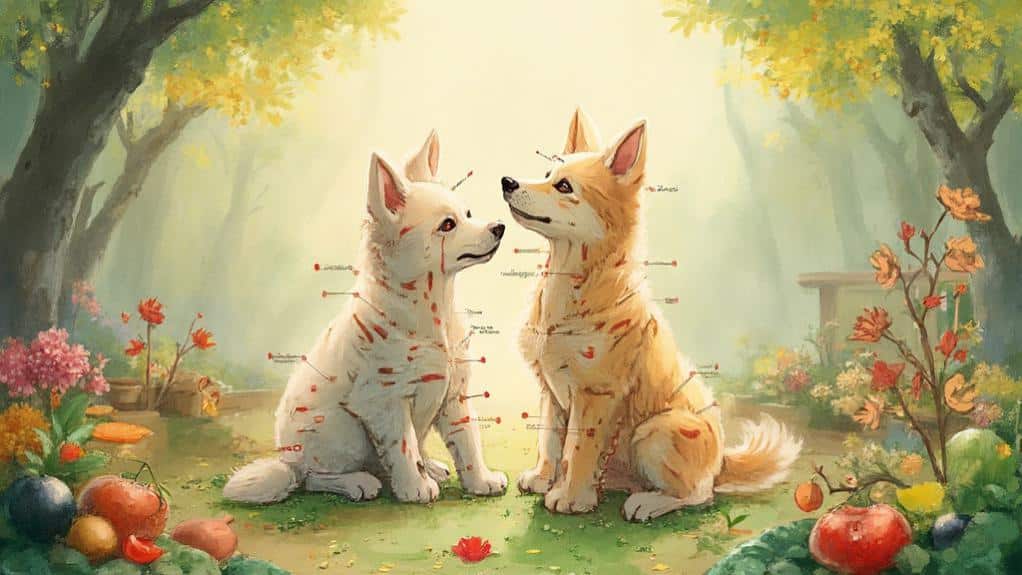
While herbal medicine offers valuable treatment options, Traditional Chinese Veterinary Medicine (TCVM) also recognizes the power of food as medicine.
Food Therapy in TCVM focuses on the energetics of ingredients and their effects on an animal's body, tailoring dietary needs to individual health patterns. This approach considers the thermal nature and flavor of foods to prevent imbalances and promote well-being in pets.
When implementing Food Therapy for your pet, follow these steps:
- Assess your pet's constitution and current health status
- Identify any existing imbalances or conditions
- Choose foods with appropriate thermal properties and flavors
- Gradually introduce dietary changes, monitoring your pet's response
TCVM practitioners often use Food Therapy alongside herbal medicine and acupuncture to support healing, especially for pets with chronic conditions.
By understanding your pet's individual constitution and health needs, you can make informed decisions about their diet. This may involve incorporating warming foods for cold-related issues or cooling foods for heat signs.
The effectiveness of Food Therapy relies on aligning dietary modifications with your pet's specific requirements, ensuring a balanced approach to their overall health and well-being.
TCVM and Western Medicine Integration

When integrating TCVM and Western Medicine, you'll find that these approaches complement each other, offering a more thorough treatment strategy for your pet.
By combining TCVM's focus on restoring balance and overall well-being with Western Medicine's diagnostic precision and advanced technologies, you can maximize therapeutic outcomes for various conditions.
This integration allows you to leverage the strengths of both systems, utilizing TCVM methodologies like acupuncture and herbal medicine alongside Western treatments, resulting in a tailored approach that addresses your pet's individual needs more effectively.
Complementary Treatment Approaches
Integrating Traditional Chinese Veterinary Medicine (TCVM) with Western Veterinary Medicine (WVM) offers pet owners a powerful, complementary approach to their animals' health care.
This integration leverages TCVM's holistic assessment and WVM's precise diagnostics to maximize treatment efficacy.
When you're considering this approach for your pet, it's important to understand the complementary nature of these treatment protocols.
Here's how TCVM and WVM work together:
- TCVM addresses chronic conditions like liver failure and atopy
- WVM excels in acute trauma treatment and diagnostics
- TCVM focuses on restoring balance and disease prevention
- WVM targets specific symptoms and conditions
Maximizing Therapeutic Outcomes
Maximizing therapeutic outcomes through the integration of TCVM and Western Medicine is a cornerstone of modern veterinary care. By combining these approaches, you can leverage the strengths of both systems to provide thorough, personalized care for your pet.
Chinese Veterinary Medicine's holistic approach excels in treating chronic conditions, while Western Medicine offers precise diagnostics and acute trauma treatment. To integrate these modalities effectively, start with a complete assessment and diagnosis, considering both TCVM and Western perspectives. This will help identify the underlying disease patterns and guide treatment selection.
Incorporate TCVM therapies like acupuncture and herbal medicine alongside conventional treatments to enhance therapeutic effects. This extensive strategy is particularly beneficial for managing chronic diseases such as liver failure and atopy.
By utilizing TCVM's flexibility, you can tailor treatments to your pet's individual needs, complementing Western approaches. Remember, successful integration requires careful consideration of both systems' strengths.
As you implement this combined approach, you'll likely observe improved patient outcomes, especially in cases where conventional treatments alone may have limited efficacy. Always consult with a veterinarian experienced in both TCVM and Western Medicine to guarantee proper integration and maximize your pet's health restoration.
Benefits of TCVM Approach
For centuries, Traditional Chinese Veterinary Medicine (TCVM) has offered a unique approach to pet health that's gaining recognition in the modern world. This holistic approach focuses on balancing Qi, Yin-Yang, and the Five Elements to promote overall well-being in animals.
TCVM offers several benefits for your pet's health:
- Non-invasive treatments: Acupuncture and herbal therapy provide gentle, effective options with minimal side effects, ensuring your pet's comfort and safety.
- Extensive health assessment: TCVM considers the entire body system, addressing the root cause of issues rather than just symptoms.
- Personalized care: Flexible treatment plans cater to your pet's individual needs, enhancing therapeutic outcomes.
- Long-term health support: Dietary adjustments through Food Therapy prevent imbalances and promote ongoing wellness.
TCVM is particularly effective in managing chronic conditions like liver failure and atopy.
Frequently Asked Questions
Does Chinese Medicine Work for Dogs?
Yes, Chinese medicine can be effective for dogs.
You'll find acupuncture benefits and herbal remedies that address chronic conditions through a holistic approach. These treatment modalities aim to restore energy balance and promote wellness.
Veterinarians use specific diagnosis methods to tailor integrative therapies for your dog's needs. From preventive care to managing complex issues, Chinese medicine offers diverse wellness strategies.
When combined with Western practices, it provides extensive care, potentially improving your dog's quality of life and overall health.
What Is the History of Traditional Chinese Veterinary Medicine?
As old as the hills, Traditional Chinese Veterinary Medicine's roots stretch back nearly 3,000 years.
You'll find its foundations in ancient practices that blend herbal remedies, acupuncture techniques, and the concept of qi energy.
It's built on diagnostic methods that take a holistic approach, incorporating meridian theory and unique veterinary philosophies.
These practices have shaped animal wellness strategies for millennia, holding significant cultural importance.
TCVM's evolution has seen it adapt and integrate with modern veterinary science, offering a thorough approach to pet health.
What Animal Products Are Used in Chinese Medicine?
In Chinese medicine, you'll find various animal products used in herbal remedies and treatment protocols.
Deer antler velvet is employed for energy and joint health, while fish and shellfish are incorporated for their warming properties.
Bone marrow is utilized to strengthen kidneys and boost vitality.
Some formulations may include snake bile for detoxification.
When considering these products, it's important to balance ethical concerns with holistic approaches.
Proper diagnostic methods and careful dosing are essential for effective, preventative care in pets.
What Five Branches Does Traditional Chinese Veterinary Medicine Include?
You'll discover that Traditional Chinese Veterinary Medicine encompasses five interconnected branches, each contributing to holistic care.
Acupuncture benefits your pet by stimulating energy flow, while herbal remedies address specific imbalances.
Food therapy focuses on dietary adjustments for ideal health, and Tui-na massage enhances overall wellness.
The fifth branch, diagnosis methods, guides veterinarians in evaluating your pet's condition.
Together, these treatment techniques form an extensive wellness approach, integrating preventive measures and case studies to provide effective, tailored care for your animal companion.
Conclusion
As you've explored the world of Traditional Chinese Veterinary Medicine (TCVM), you've seen how it can complement Western practices, offering a holistic approach to your pet's health. Like a bridge connecting two shores, TCVM links ancient wisdom with modern science. By embracing acupuncture, herbal remedies, and food therapy, you're opening doors to new possibilities for your pet's well-being. Remember, integrating TCVM with conventional care can create a balanced, thorough treatment plan, potentially leading to improved outcomes and a higher quality of life for your furry companion.