
Natural Flea Prevention: What Actually Works in Peak Summer Heat
Natural Flea Prevention: What Actually Works in Peak Summer Heat
Natural flea prevention during summer heat requires strategic environmental control and targeted treatments. Clove oil at 4% concentration kills 100% of fleas within one hour, while peppermint oil provides rapid elimination and repellent properties. Food-grade diatomaceous earth dehydrates fleas on contact safely. Essential steps include trimming bushes for sunlight exposure, removing debris piles, maintaining short lawns, and improving drainage to eliminate standing water. Beneficial nematodes offer biological control, though summer heat requires more frequent essential oil applications for sustained effectiveness.
Environmental Control Methods That Beat Summer Heat
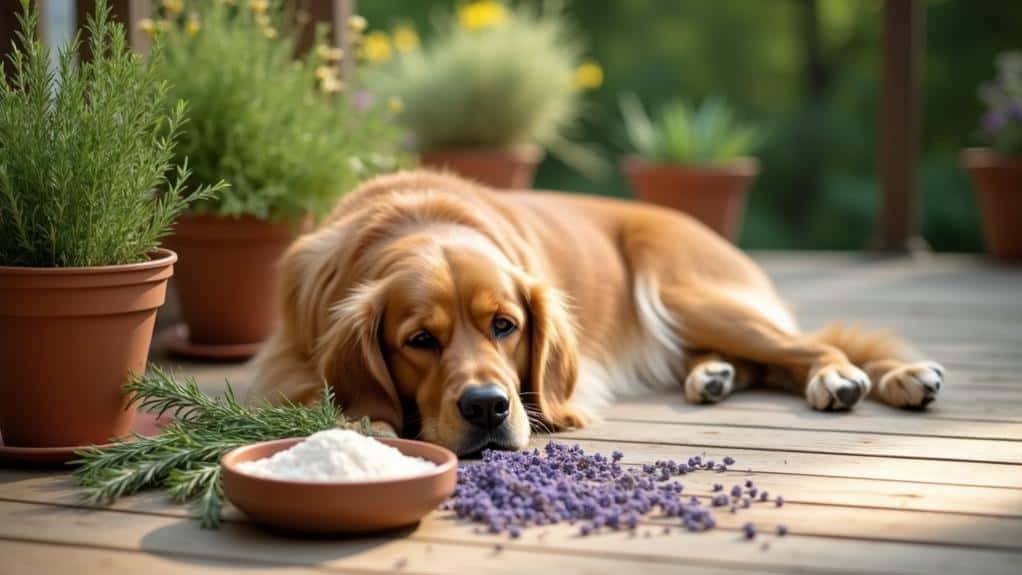
Why struggle with chemical flea bombs when Mother Nature offers her own arsenal against these persistent pests?
Smart pet parents know that controlling your environment beats chasing fleas around the house with a spray bottle.
Start with sunlight exposure. Fleas hate bright, hot conditions like vampires hate garlic. Trim those overgrown bushes and clear dense shade areas. Your yard needs more light penetrating to ground level.
Next, tackle yard drainage. Standing water creates flea paradise – moist, cool breeding grounds they absolutely love. Fix soggy spots and avoid overwatering. Good drainage keeps soil drier and less hospitable.
Remove debris piles, excess mulch, and leaf litter. These create shaded hideouts where fleas throw their summer parties. Keep lawns cut short to eliminate additional hiding spots where fleas can escape the heat.
Consider adding flea-repellent plants like lavender, spearmint, and lemongrass to landscape design for natural deterrence. Pet-safe essential oils like cedarwood and eucalyptus can also be used strategically around outdoor areas to create natural barriers that repel fleas without harming your furry companions. Food-grade diatomaceous earth can be applied to outdoor areas as a natural, non-toxic option that works by dehydrating fleas on contact. Beneficial nematodes provide another completely safe biological control method for natural pest elimination in yards.
Simple landscape modifications make your property naturally inhospitable to these unwanted guests. Focus on regular cleaning inside your home as well, since fleas can enter via infested pets and multiple methods may be necessary for effective elimination.
Essential Oil Strategies for Peak Season Protection
Essential oils pack a powerful punch against fleas during peak summer months, offering pet parents scientifically-backed alternatives that actually work.
Clove oil efficacy stands out – achieving 100% flea mortality within one hour at just 4% concentration. That’s faster than most conventional treatments.
Peppermint oil benefits include rapid flea death and strong repellent properties, making it perfect for summer protection when these pests are most active.
Thyme and myrtle oils excel as repellents, actually outperforming DEET in controlled studies.
The catch? Summer heat makes these oils evaporate faster, requiring more frequent applications.
Stick to properly diluted formulations – 4-16% concentrations hit that sweet spot between effectiveness and safety. These natural solutions also provide environmental safety benefits compared to harsh chemical alternatives. Your dog’s skin will thank you, and those fleas won’t know what hit them.
Yard Management Techniques for Hot Weather Conditions
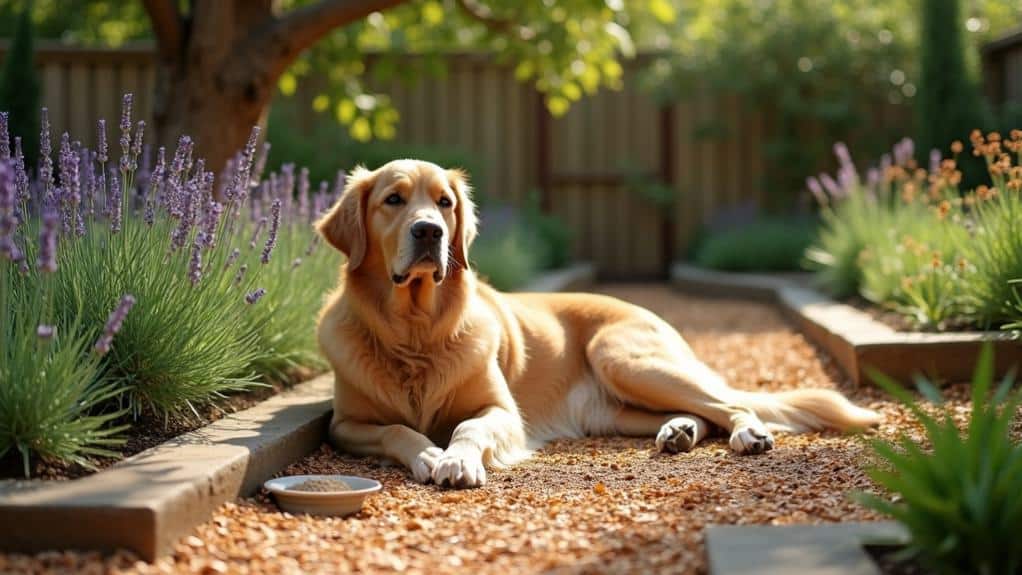
Most pet parents focus on treating their furry friends for fleas but completely overlook the breeding ground right outside their door. Your yard can become a flea factory during summer heat.
Smart approach? Make it inhospitable for these tiny vampires.
Start with lawn aeration techniques – core or liquid aeration increases water penetration and strengthens grass roots. Stronger turf means fewer stressed areas where fleas love to party.
Follow up with organic soil conditioners or humate-based products to boost nutrient uptake and promote deeper root growth.
Keep grass at recommended height – not scalped short. Those shaded, moist zones under overgrown grass? Prime flea real estate.
Remove pet waste promptly because nothing says “flea buffet” like organic debris in hot weather. Your dog’s bathroom habits shouldn’t become tomorrow’s flea invasion.
Water your lawn early morning or late evening to reduce evaporation and prevent the excess moisture that creates ideal flea breeding conditions during peak heat. Apply slow-release fertilizers to maintain steady nutrient levels that support healthy grass capable of withstanding summer stress and pest pressure. Check for footprint impressions that linger on your grass, as this indicates heat stress that weakens your lawn’s natural defenses against pest infestations.
Frequently Asked Questions
How Often Should I Apply Beneficial Nematodes During Peak Summer Heat?
During peak summer heat, one should apply beneficial nematodes every 7-10 days for best application timing. Regular irrigation and evening applications maximize nematode effectiveness while serving others by maintaining ideal soil conditions.
Can I Use Flea Combs on Wet Fur After Bathing?
Droplets cling to dampened coat as gentle strokes begin. Flea combing techniques work effectively on wet fur after bathing, though wet fur considerations include reduced visibility and potential matting, requiring patient, methodical passes for ideal results.
Do Natural Flea Collars Lose Effectiveness in Extreme Humidity?
Natural alternatives like essential oil-based flea collars experience reduced effectiveness in extreme humidity conditions. Humidity effects accelerate oil evaporation and degradation, potentially shortening protection duration and requiring more frequent replacement or supplemental prevention methods.
How Long Do Cedar Chips Last in Direct Sunlight?
Cedar chip longevity decreases considerably under sunlight exposure, requiring annual top-dressing to maintain effectiveness. Complete replacement becomes necessary every three to four years, though color fades within one to two seasons of direct sun.
Should I Increase Pet Bathing Frequency During Summer Flea Season?
Moderate bathing benefits include removing adult fleas and enabling early detection, but shouldn’t replace primary flea treatment methods. Pet owners should maintain consistent preventive medications while bathing only as needed to avoid skin irritation.
References
- https://holisticvetblend.com/blogs/news/10-nontoxic-flea-repellent-methods
- https://wearethecure.org/natural-flea-treatments-for-dogs/
- https://jetpetresort.com/blog/dog-care/30-ways-to-naturally-prevent-and-get-rid-of-fleas-on-dogs/
- https://summerbrookgoldens.com/natural-flea-prevention-without-chemicals/
- https://theanimalkeeper.com/6-natural-ways-to-repel-fleas-and-ticks/
- https://www.akcpetinsurance.com/blog/natural-flea-and-tick-prevention
- https://fairwaylawns.com/how-to-control-flea-infestations-as-temperatures-drop/
- https://pmc.ncbi.nlm.nih.gov/articles/PMC10839170/
- https://www.myvetcandy.com/blog/2024/2/9/study-looks-at-natural-oils-for-flea-and-tick-control-on-dogs
- https://pmc.ncbi.nlm.nih.gov/articles/PMC5629292/