
Reducing Your Pet’s Carbon Pawprint
Reducing Your Pet’s Carbon Pawprint
To reduce your pet's carbon pawprint, start by choosing sustainable pet food options, like insect-based or plant-based proteins. Implement eco-friendly waste management practices, using biodegradable poop bags and considering composting. Opt for green transportation methods when traveling with your pet, such as walking or using pet-friendly public transit. Adopt from shelters and spay or neuter your pets to support responsible population control. Select low-impact pet products made from recycled or sustainable materials. Conserve energy and water in pet care routines, and upcycle accessories when possible. Participate in community environmental initiatives and educate others about sustainable pet ownership. These steps will set you on the path to more environmentally conscious pet care.
Main Points
- Choose sustainable pet food options like insect-based or plant-based proteins to reduce greenhouse emissions.
- Practice responsible waste management using biodegradable poop bags and composting methods.
- Opt for eco-friendly transportation, such as walking or using pet-friendly public transit.
- Adopt from shelters and spay/neuter pets to reduce overpopulation and resource strain.
- Select low-impact pet products made from sustainable materials and energy-efficient pet care items.
Sustainable Pet Food Choices

Pet owners can greatly reduce their furry friends' environmental impact by making sustainable food choices. To start, consider shifting your pet to a diet that incorporates alternative protein sources. Insect-based protein, for example, generates 96% less greenhouse emissions compared to traditional meat sources, making it an excellent option for environmentally conscious pet owners.
You can also explore plant-based diets for your pets, which greatly reduce the carbon footprint associated with meat consumption. Additionally, organic pet foods offer numerous benefits for both your pet's health and the environment, as they're produced without harmful pesticides or synthetic fertilizers.
If you prefer to maintain a meat-based diet for your pet, opt for sustainable pet food brands that use low-carbon footprint proteins like chicken. These choices help minimize the environmental impact of your pet's diet while still providing necessary nutrients.
Another eco-friendly option is to prepare homemade pet food using local and organic ingredients. This approach reduces packaging waste and carbon emissions associated with transportation. When making homemade pet food, make sure you're providing balanced nutrition by consulting with a veterinarian.
Eco-Friendly Waste Management
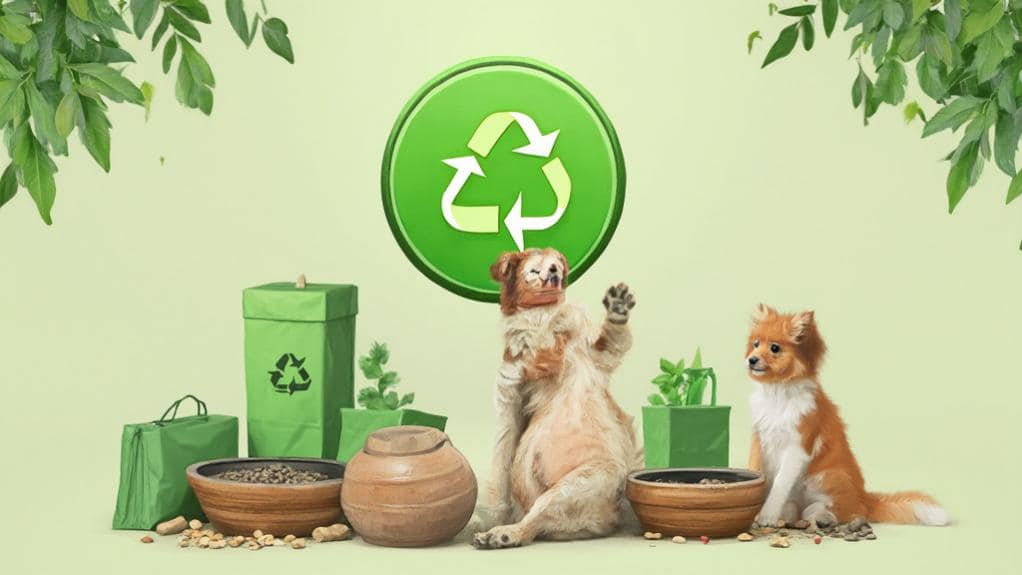
A notable challenge in reducing your pet's carbon pawprint lies in responsible waste management. Pet waste, particularly from dogs, contributes to massive methane emissions in landfills, making proper disposal essential.
To address this issue, start by switching to biodegradable poop bags instead of traditional plastic ones. This simple change can greatly decrease plastic waste and environmental impact. Look for certified compostable options that are both durable and leak-proof, ensuring a positive user experience while minimizing environmental harm.
For a more eco-friendly approach, consider composting your dog's waste. This method not only mitigates landfill impact but also produces nutrient-rich compost for soil enhancement.
If composting isn't feasible, flushing dog waste down the toilet is another sustainable option, as it integrates the waste into the sewage system for treatment and prevents methane emissions.
Cat owners can also contribute by shifting to biodegradable litter options. This change helps alleviate the burden of clay litter in landfills, promoting greener waste management practices.
Green Transportation for Pets
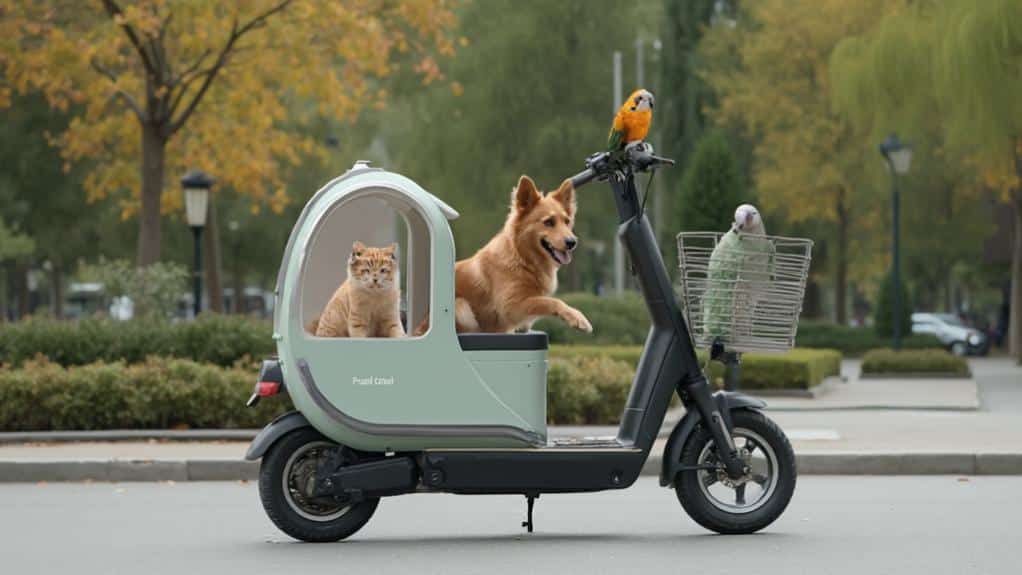
When considering green transportation for your pet, start by exploring pet-friendly public transit options in your area, which can considerably reduce your carbon footprint compared to driving.
For shorter distances, opt for walking or biking with your pet, combining exercise with eco-friendly travel.
When travel necessitates a carrier, choose one made from sustainable materials to further minimize your pet's environmental impact.
Pet-Friendly Public Transit Options
Embracing pet-friendly public transit options can greatly reduce your furry friend's carbon pawprint. Many transit systems now allow pets on board, provided they're in carriers or leashed. This makes it easier for you to travel sustainably with your pet without relying on cars.
By opting for buses or trains, you'll considerably cut down on greenhouse gas emissions, as car travel accounts for 45% of transportation-related emissions.
To utilize pet-friendly public transit effectively, first check your local transit authority's pet policies. Look for designated pet areas on vehicles to guarantee a comfortable experience for both you and your pet.
When planning trips, combine errands to minimize the number of journeys. For instance, schedule vet visits and trips to the park on the same day, using public transportation for both. This approach can lower your pet's carbon footprint by up to 45% compared to driving.
Remember to bring essential supplies like waste bags and water for your pet during transit. By consistently choosing public transportation for pet-related activities, you'll contribute to a considerable reduction in overall emissions associated with pet ownership.
Walking Versus Driving Pets
While public transit offers a greener option for pet transportation, walking your furry friend takes eco-friendly travel to the next level. By choosing to walk your pet instead of driving, you're making a significant impact on reducing carbon emissions.
Personal vehicles contribute to about 29% of total US greenhouse gas emissions, and short trips, often used for pet outings, can be even more polluting per mile than longer journeys. To minimize your pet's carbon pawprint, start by identifying nearby destinations suitable for walks.
Plan routes that incorporate pet-friendly areas, such as parks or quiet streets. When walking isn't feasible due to distance or weather, consider carpooling with other pet owners for shared outings. This consolidates trips and reduces the number of vehicles on the road.
For longer distances, utilize public transportation when possible, as it promotes sustainable commuting practices. By adopting these habits, you're not only decreasing your carbon footprint but also promoting a healthier lifestyle for both you and your pet.
Regular exercise is crucial for their well-being, making walking a win-win solution for the environment and your pet's health.
Eco-Friendly Pet Carriers
In recent years, eco-friendly pet carriers have emerged as an essential component of green transportation for pets. When choosing a carrier, consider options made from sustainable materials like recycled plastics or organic cotton. These materials considerably reduce the carbon footprint compared to traditional carriers. Opt for lightweight designs to minimize fuel consumption during travel, as lighter loads require less energy to transport.
Durability is key when selecting an eco-friendly pet carrier. Choose carriers designed to last, reducing the need for frequent replacements and decreasing overall waste in landfills. Look for models with biodegradable components to facilitate easier breakdown when disposed of.
To maximize efficiency, select versatile carriers that serve multiple functions, such as those that convert into backpacks or travel beds. This approach reduces the need for additional products and promotes sustainable pet ownership.
| Feature | Benefit |
|---|---|
| Sustainable materials | Reduced carbon footprint |
| Lightweight design | Lower fuel consumption |
| Durability | Less waste in landfills |
| Biodegradable components | Easier breakdown |
| Multi-functionality | Efficient use of resources |
Responsible Pet Adoption Practices

When adopting a pet, you'll make a significant impact by choosing a shelter animal over one from a breeder, as this helps reduce overpopulation and supports humane practices.
It's essential to spay or neuter your new companion to prevent unwanted litters and further strain on animal shelters.
Consider adopting a species that aligns with your lifestyle and preferences, remembering that many shelters offer a variety of animals beyond cats and dogs, including small mammals and reptiles.
Choose Shelter Over Breeder
Choosing to adopt a pet from a shelter rather than purchasing from a breeder can considerably reduce your carbon pawprint. By adopting, you're directly combating pet over-population, as millions of animals are euthanized annually due to lack of homes. This decision not only saves a life but also decreases the environmental strain associated with breeding processes, which often involve significant resource consumption and waste generation.
When you adopt from shelters, you support local animal welfare organizations that prioritize humane treatment and responsible pet ownership. These shelters typically promote spaying and neutering, further controlling pet populations and minimizing environmental impact. Additionally, many shelter pets are already vaccinated and microchipped, reducing the resources needed for initial care.
To make an informed decision, consider the following factors:
| Factor | Shelter Adoption | Breeder Purchase |
|---|---|---|
| Environmental Impact | Lower | Higher |
| Cost | Generally less expensive | Often more expensive |
| Health | Often vaccinated and spayed/neutered | May require additional medical care |
Spay/Neuter Your Pet
Responsible pet ownership extends beyond adoption to include essential practices like spaying or neutering. When you spay or neuter your pet, you're not just preventing unwanted litters; you're actively contributing to a solution for the pet overpopulation crisis.
Consider this: an unspayed female dog and her offspring can produce up to 67,000 puppies in just six years. By spaying or neutering, you're greatly reducing the number of animals entering shelters each year, currently estimated at 5-7 million.
The environmental impact of spaying and neutering is substantial. Controlling pet populations reduces the strain on resources and decreases carbon emissions associated with pet food production and waste management.
Additionally, you'll be supporting efforts to minimize feral cat colonies, which can threaten local wildlife and disrupt ecosystems. Your decision to spay or neuter also promotes your pet's health, reducing risks of certain cancers and infections.
This proactive approach not only benefits your pet but also lessens the demand for medical resources. To spay or neuter your pet, consult with your veterinarian to determine the best time for the procedure, typically before sexual maturity.
Adopt Suitable Species
Beyond spaying and neutering, adopting suitable species is a key aspect of eco-friendly pet ownership. When you're considering bringing a new pet into your home, it's essential to evaluate your lifestyle and environmental conditions to adopt suitable species that align with sustainable practices.
By choosing pets that are well-suited to your living situation, you're not only ensuring their well-being but also reducing the environmental strain associated with pet ownership.
To make an informed decision, start by researching different species and their specific needs. Consider factors such as space requirements, energy levels, and dietary needs. Smaller pets like rabbits or reptiles often have a lower carbon footprint compared to larger animals.
Additionally, adopting from shelters helps reduce overpopulation and supports community health. When you visit a shelter, discuss your lifestyle with the staff to find a compatible match.
By adopting responsibly, you're fostering community involvement in animal welfare and promoting sustainable practices within local ecosystems.
Low-Impact Pet Products

Pet products can have a notable environmental impact, but you've got options to reduce your furry friend's carbon pawprint. When shopping for low-impact pet products, start by selecting toys made from upcycled materials. These items help reduce plastic waste and support a circular economy, unlike many commercial toys made from non-eco-friendly materials.
Next, switch to biodegradable poop bags instead of traditional plastic ones. This change is essential, as 10 million tons of pet waste contribute to landfills and methane emissions annually.
Sustainable choices for your pets can make a notable difference in reducing their environmental impact while keeping them happy and healthy.
Look for pet supplies that use post-consumer recycled (PCR) materials in their packaging to minimize overall waste. Invest in durable, eco-friendly collars and leashes made from sustainably grown materials like hemp, which will reduce the frequency of replacements.
When it comes to grooming, choose natural products free from harmful chemicals. These benefit both your pet's health and the environment while supporting brands that prioritize sustainable practices.
Energy-Efficient Pet Care

Energy-efficient pet care practices offer another avenue to reduce your furry friend's environmental impact. Begin by switching to LED-lit collars and solar-powered pet feeders, which notably cut down on energy consumption.
When it comes to cleaning your pet's bedding, opt for cold water washes and air-drying instead of using hot water and a dryer. This simple change can save up to 90% in energy usage.
To further reduce waste, consider using eco-friendly storage bins made from sustainable materials like stainless steel or recycled plastics for storing pet food and supplies.
Consider using natural grooming products that require less energy-intensive manufacturing processes. These choices not only support sustainability but also lower the carbon footprint associated with pet care.
Invest in durable, reusable pet supplies like machine-washable pee pads to minimize waste and reduce the energy required for producing and disposing of single-use items.
Additionally, focus on preventative care and regular health monitoring to decrease the frequency of vet visits. This approach lowers overall carbon emissions related to transportation and clinic operations.
By implementing these energy-efficient pet care strategies, you'll effectively reduce your pet's environmental impact while maintaining their health and comfort.
Water Conservation Techniques
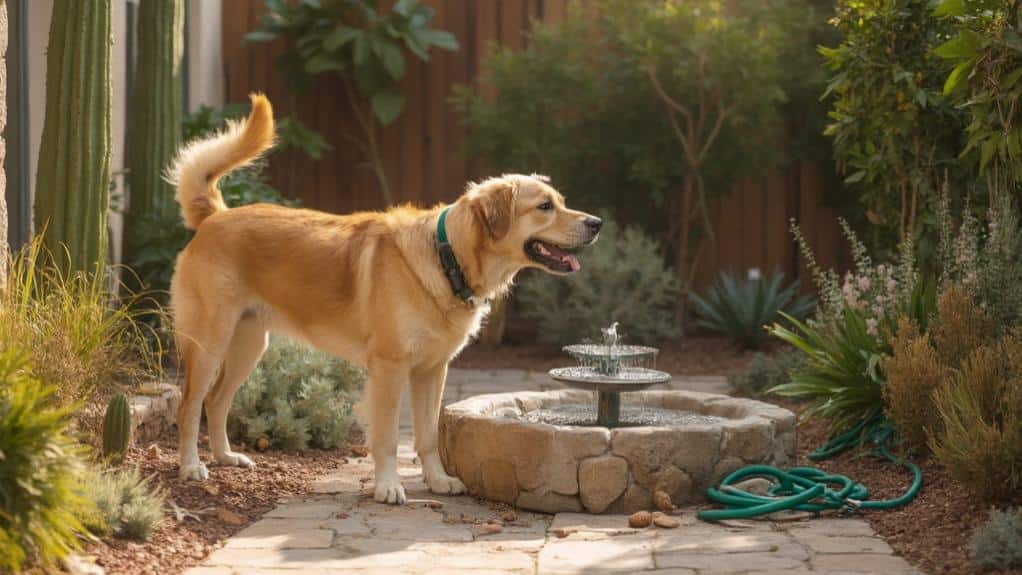
Frequently overlooked, water conservation techniques play an essential role in reducing your pet's environmental impact. By implementing simple changes in your pet care routine, you can greatly reduce water waste and promote eco-friendly practices.
Start by replacing your hose with a bucket during pet baths, potentially saving up to 30 gallons of water per wash. Choose water-efficient cleaning products designed specifically for pets, which require less water for rinsing while maintaining proper hygiene.
To further minimize your pet's water footprint, consider the following steps:
- Install low-flow faucets and showerheads in your pet grooming area to decrease water usage during bathing sessions.
- Opt for biodegradable pet waste bags that dissolve in water, reducing the need for additional water in waste disposal.
- Encourage your pet to play with water-safe toys in a small kiddie pool instead of using running water for entertainment.
- Collect and reuse greywater from pet-related activities for watering plants or cleaning outdoor areas.
Upcycling Pet Accessories

Upcycling pet accessories offers another powerful way to reduce your furry friend's environmental impact. By repurposing old clothing into bandanas or toys, you're not only minimizing waste but also giving materials a second life.
Start by selecting gently used fabrics, cutting them to size, and sewing or tying them into fashionable pet accessories. For interactive toys, transform plastic bottles into treat dispensers by cutting small holes and filling them with kibble or treats.
To create cost-effective and eco-friendly pet furniture, repurpose cardboard boxes into playhouses or scratching posts. Reinforce the structure with non-toxic glue, cover it with leftover fabric, and add sisal rope for scratching surfaces.
You can also utilize fabric scraps to make DIY pet beds or blankets, greatly reducing the carbon footprint associated with manufacturing new products. When upcycling, prioritize safety by removing any potentially harmful elements like buttons or zippers.
Community Environmental Initiatives
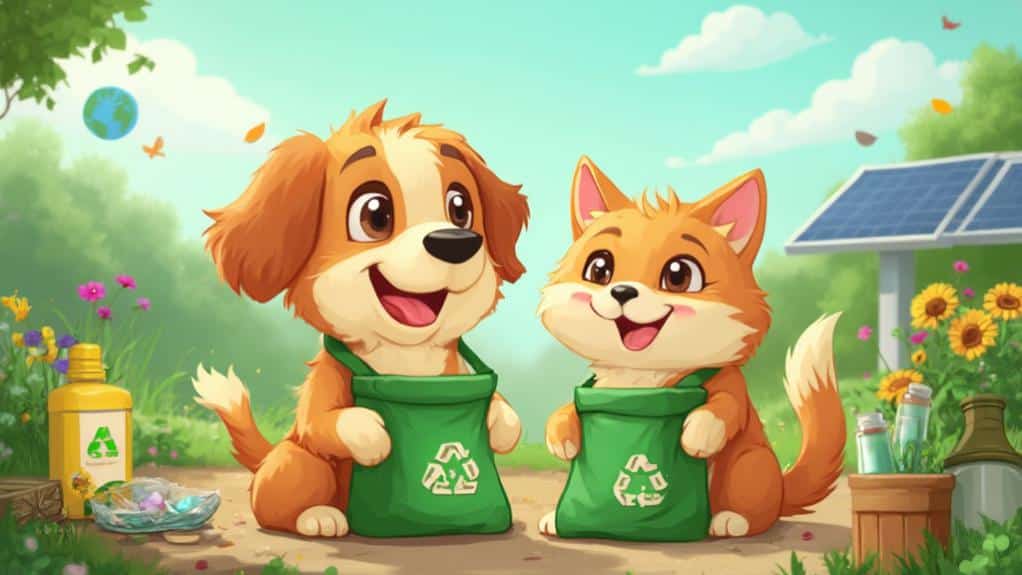
Through community environmental initiatives, pet owners can amplify their efforts to reduce their furry friends' carbon pawprints. By participating in community clean-up events, you'll not only help maintain local environments but also promote responsible pet ownership. These events encourage owners to pick up after their pets and prevent pollution.
To further your impact, engage in local conservation efforts like tree planting or habitat restoration, which enhance ecosystems and demonstrate your commitment to reducing pet ownership's environmental footprint. Consider incorporating eco-friendly pet products into your daily routine to further minimize your pet's environmental impact.
Support local shelters and participate in spay/neuter programs to control pet overpopulation, reducing strain on community resources. Additionally, advocate for environmentally-friendly pet policies at local government levels to promote sustainable waste management solutions, such as:
- Designated pet waste stations
- Increased access to biodegradable disposal options
- Implementation of pet waste composting programs
- Creation of pet-friendly green spaces with proper waste management facilities
Educate fellow pet owners about the environmental impacts of pet care through workshops or community forums. By fostering a culture of sustainability, you'll encourage collective efforts to reduce carbon pawprints.
These initiatives, when combined, create a powerful force for positive environmental change in your community.
Frequently Asked Questions
How Can I Reduce My Carbon Footprints?
To reduce your carbon footprint, start by making sustainable choices in your daily life.
Switch to energy-efficient appliances, use public transportation or carpools, and minimize single-use plastics.
Opt for a plant-based diet or reduce meat consumption, as livestock farming contributes considerably to greenhouse gas emissions.
When shopping, choose products with minimal packaging and support eco-friendly brands.
Consider installing solar panels or joining a community solar project.
Additionally, be mindful of water usage and implement water-saving techniques at home.
Does Having a Pet Increase Your Carbon Footprint?
Yes, having a pet does increase your carbon footprint.
To minimize this impact, consider eco-friendly pet food options, practice proper waste management, and use sustainable toys. Choose biodegradable poop bags and compost when possible.
Opt for eco-friendly products like beds and grooming supplies. Reduce transportation impact by walking your pet or combining trips.
When getting a new pet, consider adoption, which has environmental benefits.
What Is My Pets Carbon Footprint?
Your pet's carbon footprint depends on its size and diet. For dogs, it averages around 0.84 tons of CO2 annually, while cats produce about 1,000 lbs.
Pet food production is a major contributor, especially meat-based diets. Waste management also plays a role.
To calculate your pet's impact, consider its size, food consumption, and waste production. You can reduce this footprint by choosing sustainable pet food options and implementing efficient waste disposal methods, such as composting or using biodegradable bags.
How Can You Reduce Your Carbon Footprints in Your Own Household?
As the winds of change sweep through your home, you can slash your carbon footprint with precision.
Start by embracing eco-friendly products, from energy-efficient appliances to low-flow fixtures.
Shift to sustainable diets, opting for plant-based meals and locally sourced ingredients.
Reduce energy consumption by sealing drafts, upgrading insulation, and using smart thermostats.
Minimize waste through composting and recycling.
Invest in renewable energy sources like solar panels.
Conclusion
As you've journeyed through the forest of eco-friendly pet care, you've discovered many paths to reduce your pet's carbon pawprint. Like a wise gardener tending to their plot, you've learned to nurture your pet while respecting the earth. Remember, each small step you take, from choosing sustainable food to upcycling accessories, contributes to a greener future. By implementing these practices, you're not just caring for your pet, but for the entire ecosystem they're a part of.