
Senior Dog Wellness: Natural Care Guide
Senior Dog Wellness: Natural Care Guide
To care for your senior dog naturally, focus on tailored nutrition with high-quality proteins and essential fatty acids. Schedule bi-annual vet check-ups for health screenings and maintain vaccinations. Implement low-impact exercises like gentle walks or swimming to support joint health. Engage your dog's mind with puzzle toys and training sessions. Create a comfortable living space with orthopedic bedding and clutter-free areas. Establish a regular grooming routine, including dental care. Explore natural pain management options such as supplements and alternative therapies. Provide socialization opportunities through quiet playdates or supervised outings. Consider end-of-life care options when necessary. This all-encompassing approach guarantees your senior dog's overall wellness and quality of life.
Main Points
- Provide tailored nutrition with senior-specific dog food rich in high-quality proteins and essential fatty acids.
- Maintain regular veterinary check-ups at least twice a year for comprehensive health screenings.
- Engage in low-impact exercise routines like short walks and swimming to maintain mobility without straining joints.
- Implement mental stimulation activities using puzzle toys and interactive games to enhance cognitive function.
- Create comfortable living spaces with orthopedic beds and clutter-free areas to support aging joints and ensure safety.
Tailored Nutrition for Aging Canines

As your canine companion enters their golden years, tailoring their nutrition becomes vital for maintaining health and vigor. Senior dog food is specifically formulated to meet the unique needs of aging pets, offering nutrient-dense diets that support overall wellness.
These formulations typically include high-quality proteins and essential fatty acids, which are fundamental for maintaining muscle mass and cognitive function. Considering organic pet foods can provide additional benefits, as they're free from artificial additives and pesticides, which may be particularly beneficial for senior dogs with sensitive digestive systems.
To promote joint health, look for senior dog food enriched with omega-3 fatty acids and glucosamine. These nutrients help reduce inflammation and support mobility, allowing your furry friend to stay active.
Carefully monitor your dog's caloric intake to maintain a healthy weight, as excess pounds can exacerbate joint issues and lead to other health complications. Consider incorporating wet food options to increase moisture intake, which is particularly important for senior dogs prone to dehydration.
Regular vet visits are essential for evaluating your dog's nutritional needs and adjusting their diet accordingly. Your veterinarian can provide personalized recommendations based on your dog's health status and any specific dietary restrictions.
Regular Veterinary Check-ups
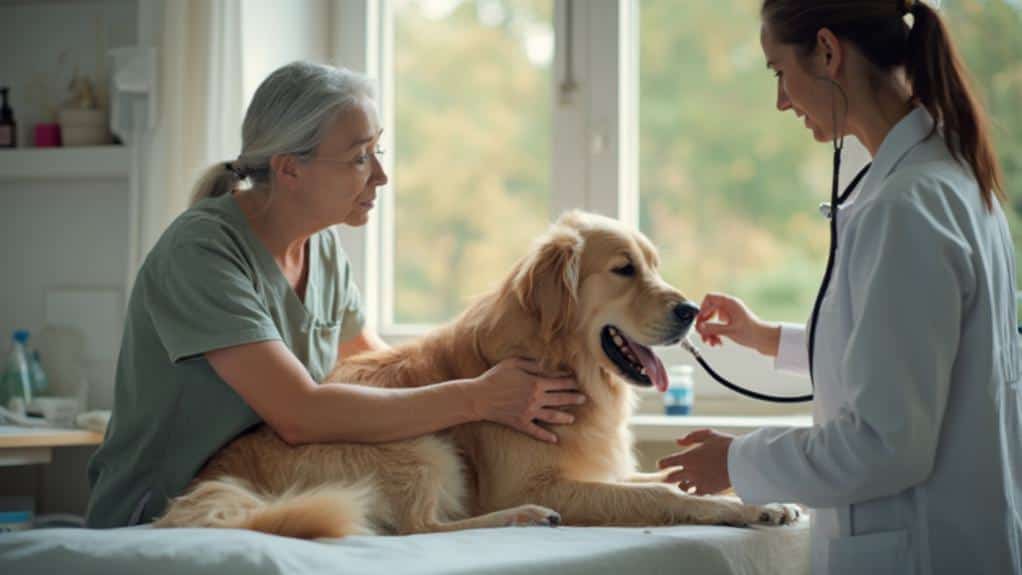
To guarantee your senior dog's well-being, schedule veterinary check-ups at least twice a year, focusing on thorough health screenings that include blood tests and dental examinations.
During these visits, you'll want to discuss any changes in your dog's behavior, appetite, or bathroom habits, as these can be early indicators of health issues.
Additionally, consider discussing natural mobility aids that may help improve your senior dog's joint health and overall comfort. These can include supplements containing ingredients like glucosamine, chondroitin, and omega-3 fatty acids.
Frequency of Vet Visits
Regular veterinary check-ups are vital for maintaining your senior dog's health and well-being. As your furry companion ages, you should aim to schedule vet visits at least every six months. These frequent vet appointments allow for early detection of potential health issues in senior dogs, guaranteeing timely intervention and treatment.
During these check-ups, your veterinarian will perform thorough examinations, including annual blood tests to assess organ function and screen for age-related conditions.
It's important to stay vigilant about your senior dog's health between visits. Monitor for behavioral changes, such as increased lethargy, altered appetite, or unusual bathroom habits. Discuss any concerns with your vet during check-ups to guarantee appropriate evaluations.
If your senior dog has existing health issues, more frequent visits may be necessary to manage their condition effectively and adjust medications as needed. Don't forget to maintain your dog's vaccination schedule, as seniors may have weakened immune systems.
While regular vet visits are paramount, you can support your dog's dental health at home with dental treats. By prioritizing these frequent check-ups, you're taking proactive steps to guarantee your senior dog enjoys a comfortable and healthy life.
Comprehensive Health Screenings
Thorough health screenings form the cornerstone of senior dog care. Regular veterinary check-ups, recommended every six months for aging dogs, are vital for early detection of potential health issues. During these visits, your vet will conduct extensive health screenings to monitor your senior dog's overall well-being.
These screenings typically include:
- Annual lab work (blood tests and urinalysis)
- Physical examination and behavioral assessment
- Dental health evaluation
Annual lab work is necessary for monitoring organ function and identifying potential health problems before they escalate. Be prepared to discuss any changes in your dog's behavior, appetite, or mobility with your vet, as these can signal underlying health concerns.
Dental health assessments are particularly important, as periodontal disease is common in senior dogs and can lead to systemic health issues if left untreated.
To enhance communication with your vet and aid in extensive health monitoring, maintain a detailed health log of your dog's veterinary visits. This log should include vaccinations, lab results, and observed behavioral changes.
Discussing Behavioral Changes
Behavioral changes in senior dogs can be subtle yet notable indicators of underlying health issues. As your canine companion ages, it's essential to monitor and document any alterations in their behavior, such as increased anxiety, changes in eating habits, or reduced social interaction.
These observations should be discussed during regular veterinary check-ups, which should occur at least every six months for senior dogs.
During these appointments, be prepared to describe any persistent changes in your dog's behavior, particularly signs of confusion or disorientation that may indicate cognitive decline or other neurological problems.
Your veterinarian will use this information, along with thorough health monitoring, to assess your dog's overall well-being and identify potential issues early.
This proactive approach allows for timely interventions that can markedly improve your senior dog's quality of life.
Low-Impact Exercise Routines
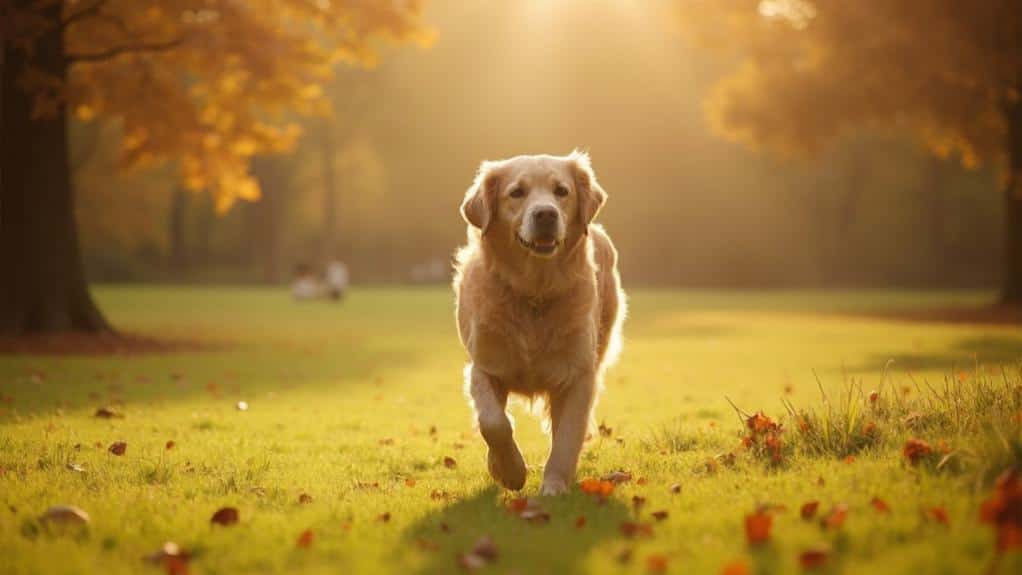
Your senior dog's well-being depends greatly on maintaining an active lifestyle, but it's crucial to choose exercises that don't stress their aging joints. Low-impact exercises are ideal for senior dogs, especially those with mobility issues. Short, gentle walks of 10-15 minutes can help maintain mobility without overexertion.
Swimming is another excellent option, as the buoyancy of water reduces strain on joints while providing cardiovascular benefits. For dogs with severe mobility challenges, mobility harnesses can provide essential support during low-impact activities, ensuring comfort and stability.
Incorporating stretching exercises into your dog's routine can enhance flexibility and joint health.
To create an effective low-impact exercise plan for your senior dog:
- Start with short, gentle walks, gradually increasing duration as tolerated.
- Introduce swimming sessions in a safe, controlled environment.
- Implement daily stretching exercises under veterinary guidance.
Consider using supportive harnesses or ramps to assist your dog during exercise, particularly if they've mobility challenges. These tools can make it easier for them to engage in low-impact routines.
Remember to tailor activities to your dog's energy level, and always monitor them for signs of fatigue. By consistently following a low-impact exercise regimen, you'll help maintain your senior dog's mobility and overall quality of life.
Mental Stimulation Activities
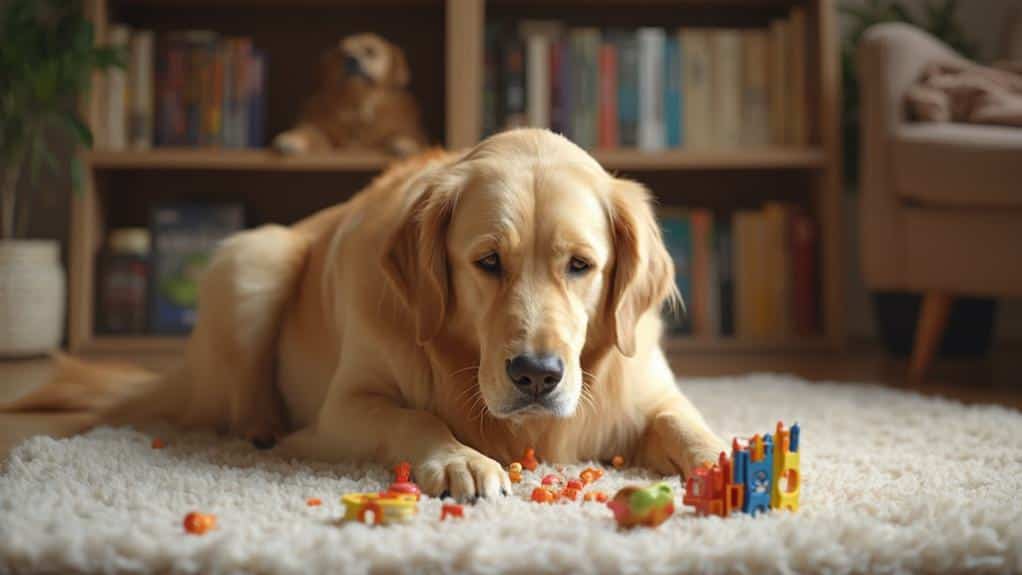
Mental stimulation plays an essential role in maintaining your senior dog's cognitive health and overall well-being. To keep your older companion mentally sharp, incorporate puzzle toys and interactive games into their daily routine. These activities challenge your dog's problem-solving skills, effectively enhancing cognitive function and preventing mental decline.
Dedicate at least 10 minutes each day to obedience or trick training sessions, which reinforce learning and maintain responsiveness. Additionally, engage your senior dog's senses by hiding treats around the house, encouraging natural foraging behaviors and stimulating their olfactory skills.
Socialization remains important for senior dogs, so arrange quiet playdates with other dogs or family members to improve mood and reduce feelings of loneliness.
To prevent boredom and maintain ongoing mental activity, regularly rotate toys and activities. This practice encourages exploration of new environments and sustains interest in mental stimulation exercises.
Comfortable Living Spaces

Creating a comfortable living space for your senior dog is just as important as providing mental stimulation. Start by investing in orthopedic beds and soft bedding to support aging joints and improve sleep quality.
Eco-friendly options utilize organic materials like cotton or hemp, ensuring both comfort and sustainability for your pet. Keep your home clutter-free to reduce the risk of falls and injuries, allowing your senior dog to navigate safely.
Temperature control is essential; maintain warm living areas in colder months and cool spaces during warmer periods to prevent discomfort and health issues.
Establish quiet areas where your senior dog can rest and manage anxiety, contributing to their mental well-being. Use non-slip mats on slippery surfaces to enhance stability and mobility, minimizing the chances of accidents.
When designing comfortable living spaces for your senior dog, consider these key elements:
- Orthopedic bedding for joint support
- Clutter-free pathways for safe navigation
- Temperature-controlled environments for ideal comfort
Grooming and Hygiene Practices
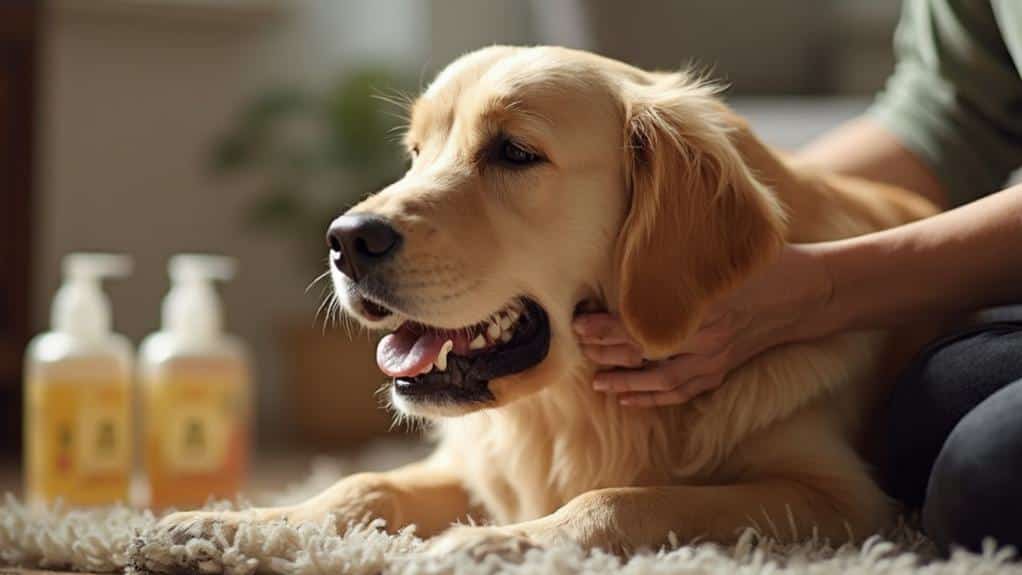
Grooming routines for senior dogs require extra care and attention. As your canine companion ages, regular grooming becomes essential for maintaining their overall health and comfort.
Start by establishing a consistent schedule, increasing frequency for long-haired breeds to prevent matting and skin issues. During each session, carefully inspect your dog's skin for any lumps, irritations, or abnormalities that might indicate underlying health problems.
Pay special attention to your senior dog's dental care, as periodontal disease is common in older pets. Brush their teeth daily using dog-safe toothpaste to prevent oral health issues that can lead to systemic problems. Consider incorporating dental foams into your pet's oral hygiene routine for additional plaque and tartar control.
While grooming, check your dog's ears and eyes for signs of infection or discomfort, and trim their nails regularly to maintain proper foot health. When bathing your senior dog, use gentle, hypoallergenic shampoos to avoid skin irritation.
If your dog has mobility issues or requires extensive grooming care, consider professional grooming services. These practices not only keep your senior dog clean and comfortable but also provide opportunities for early detection of potential health concerns, ensuring prompt veterinary intervention when necessary.
Pain Management Strategies

When managing pain in your senior dog, you'll want to explore natural relief options and alternative therapy approaches.
Consider incorporating gentle stretching and low-impact exercises, like swimming or walking, to maintain flexibility and reduce discomfort.
Natural supplements like glucosamine, chondroitin, and MSM can also be beneficial for supporting joint health and reducing pain in older dogs. These supplements are often combined for their synergistic effects on cartilage repair and may help alleviate symptoms of osteoarthritis in senior pets.
You might also find that alternative therapies, such as acupuncture and physical therapy, can provide relief from chronic pain and improve mobility, with many pet owners reporting positive outcomes from these methods.
Natural Pain Relief Options
As our canine companions age, finding effective and gentle ways to manage their pain becomes essential. Natural pain relief options for senior dogs offer a holistic approach to improving their quality of life. You can start by incorporating supplements like glucosamine and chondroitin into your dog's diet, which support joint health and alleviate arthritis pain.
Omega-3 fatty acids, found in fish oil, provide anti-inflammatory benefits that reduce joint pain and enhance mobility.
Consider these additional natural pain relief methods for your senior dog:
- Add herbal remedies like turmeric and boswellia to their meals for anti-inflammatory effects.
- Explore acupuncture treatments to stimulate specific body points and provide chronic pain relief.
- Implement physical therapy routines, including hydrotherapy and gentle stretching exercises.
Acupuncture can be particularly effective in improving overall well-being and managing pain in aging dogs. To incorporate this treatment, consult with a veterinary acupuncturist who can develop a tailored plan for your pet.
Physical therapy, when combined with other natural pain relief strategies, can greatly enhance your senior dog's mobility and comfort. Start with low-impact exercises and gradually increase intensity as your dog's strength improves.
Alternative Therapy Approaches
Beyond traditional pain management methods, alternative therapy approaches offer promising options for senior dogs struggling with discomfort. Acupuncture, a key component of alternative therapies, can alleviate pain and enhance mobility by stimulating specific body points. You'll often notice improved comfort in your dog after these sessions.
Physical therapy, particularly underwater treadmill exercises, provides low-impact resistance training that strengthens muscles without straining joints, making it ideal for senior dogs with joint issues.
Consider incorporating nutritional supplements like glucosamine and omega-3 fatty acids into your dog's diet to reduce inflammation and support joint health. These supplements can effectively manage arthritis pain in older dogs.
Massage therapy is another beneficial approach, enhancing circulation and relieving muscle tension to promote relaxation and potentially decrease chronic pain. For a natural anti-inflammatory option, consult your veterinarian about herbal remedies such as turmeric or ginger. These may provide natural pain relief, but it's essential to get professional guidance before introducing any new treatments.
Social Interaction Opportunities
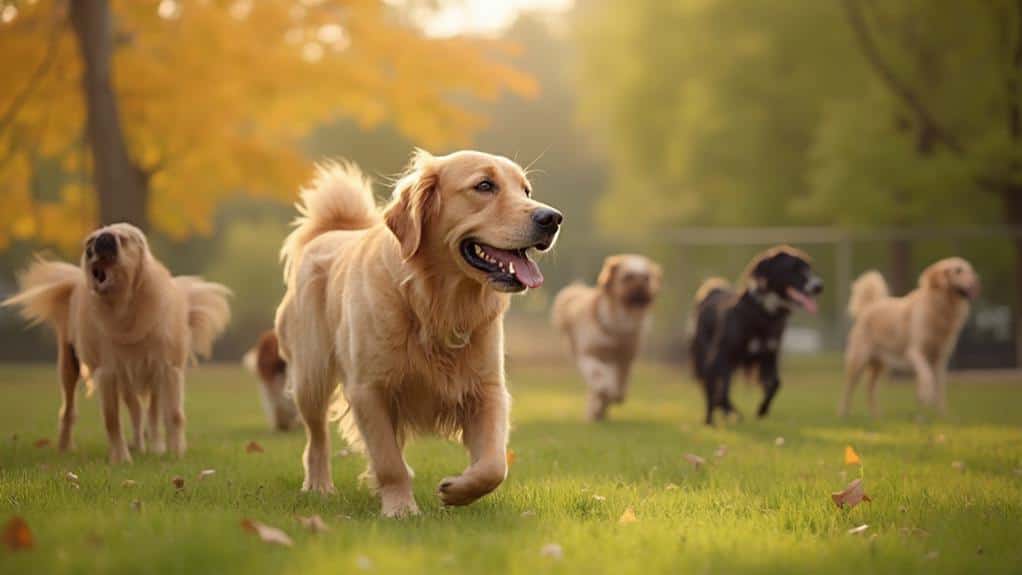
Social butterflies aren't just for the young pups. Senior dogs also benefit greatly from social interaction, which can greatly enhance their emotional well-being.
To keep your aging canine companion socially engaged, consider organizing quiet playdates with compatible dogs. These controlled encounters provide safe socialization opportunities without overwhelming your senior pet.
Community events offer another avenue for social interaction. Participate in dog-friendly outings or classes to promote a sense of belonging for both you and your furry friend.
If you're looking for more structured socialization, doggy daycare services can be an excellent option, offering monitored environments tailored to your senior dog's energy levels and needs.
Don't forget the importance of family bonding. Incorporate regular interactions with household members through:
- Supervised playtime
- Gentle training sessions
- Relaxing cuddle time
These activities not only strengthen your bond but also stimulate your dog's cognitive function.
End-of-Life Care Considerations
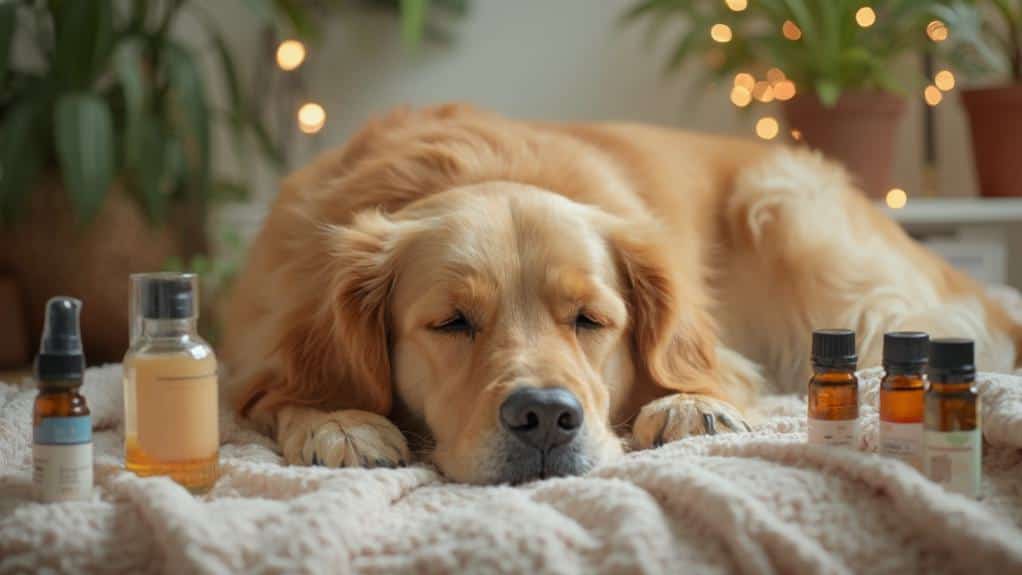
While social interactions enrich a senior dog's life, there comes a time when end-of-life care becomes the primary focus. To guarantee your senior dog remains as healthy and comfortable as possible during this stage, you'll need to regularly assess their quality of life.
Focus on pain management, mobility, and appetite, which are key indicators of comfort levels. When your dog experiences chronic pain or a terminal illness, consider palliative care options, including pain relief medications and alternative therapies, to enhance their well-being.
As your dog's condition progresses, it's essential to discuss euthanasia with your veterinarian. This conversation will help you make informed decisions based on your dog's quality of life, minimizing suffering.
When the time comes, create a peaceful environment for your dog's final moments by providing familiar items like blankets and toys. Your presence can help ease anxiety for both you and your pet.
After your dog's passing, engage in the grieving process by cherishing memories and celebrating the life you shared. Consider creating a memorial or performing a ritual to honor your companion, which can aid in your emotional healing.
Frequently Asked Questions
What Natural Foods Are Good for Senior Dogs?
When preparing homemade meals for your senior dog, focus on superfoods like blueberries and sweet potatoes for their antioxidant benefits.
Include lean proteins such as chicken and fish, and add healthy fats like fish oil for joint health.
Incorporate fiber-rich vegetables to aid digestive health and weight management.
Guarantee proper hydration by adding moisture to meals.
Consider whole grains for sustained energy.
For treat alternatives, try small pieces of carrots or green beans.
Always consult your vet before making significant dietary changes.
What Supplements Does a Senior Dog Need?
To support your senior dog's health, consider supplements targeting key areas.
For joint health, glucosamine and chondroitin can help. Omega-3 fatty acids promote skin health and reduce inflammation. Antioxidants like vitamins C and E boost cognitive function. Probiotics aid digestive support. B-complex vitamins can increase energy levels.
Immune-boosting supplements, such as colostrum or medicinal mushrooms, may also be beneficial.
Always consult your vet before starting any new supplement regimen, as they'll tailor recommendations to your dog's specific needs.
What Does a Senior Dog Wellness Exam Include?
Your senior dog's wellness exam includes a thorough physical check-up, focusing on common health issues and aging signs.
You'll discuss exam frequency with your vet, typically increasing as your dog ages. The vet will perform blood tests, urinalysis, and dental assessments, providing veterinary recommendations for preventive measures.
They'll evaluate your dog's body condition, joint health, and cognitive function.
You'll also review nutrition, exercise, and any behavioral changes to guarantee the best senior dog care and address age-related concerns proactively.
Is Wellness Core Good for Senior Dogs?
Wellness Core can be an excellent choice for your senior dog.
It's formulated to meet their nutritional needs, offering high-quality ingredients that support digestive health and weight management. The grain-free recipes provide essential nutrients, while the high protein content helps maintain energy levels.
When considering Wellness Core, analyze the ingredient list to guarantee it aligns with your dog's specific requirements.
Conclusion
As you implement these natural care strategies for your senior dog, you'll notice a remarkable coincidence: your furry companion's golden years become more vibrant and comfortable. By focusing on tailored nutrition, regular check-ups, gentle exercise, mental engagement, and a cozy environment, you're providing a holistic approach to wellness. Remember, your senior dog's needs will evolve, so stay attentive and adaptable. With your dedicated care, you'll guarantee your loyal friend enjoys a high quality of life in their twilight years.