
Summer Heat: Natural Cooling Solutions
Summer Heat: Natural Cooling Solutions
To combat summer heat naturally, start by maximizing cross-ventilation. Open opposite windows during cooler hours and use fans to enhance airflow. Implement strategic shading methods, like closing curtains during peak sunlight and installing reflective window films. Optimize your home's insulation, focusing on attic ventilation and wall upgrades. Utilize night cooling strategies by opening windows after sunset and closing them before sunrise. Landscape strategically with shade trees and vertical gardens. Use energy-efficient appliances and minimize their daytime use. Try DIY cooling solutions like placing ice in front of fans. For more advanced options, consider smart home cooling technologies. These methods can greatly reduce your reliance on air conditioning and lower energy costs.
Main Points
- Implement cross-ventilation by opening opposite windows to create airflow and expel warm air.
- Use strategic window shading methods like curtains or reflective films to reduce indoor heat absorption.
- Optimize insulation practices, focusing on attic ventilation and wall insulation upgrades for maximum efficiency.
- Employ night cooling strategies by opening windows during cooler hours and closing them before morning heat rises.
- Utilize landscaping techniques, such as planting deciduous trees and installing vertical gardens, to control outdoor temperatures.
Harnessing Cross-Ventilation Techniques
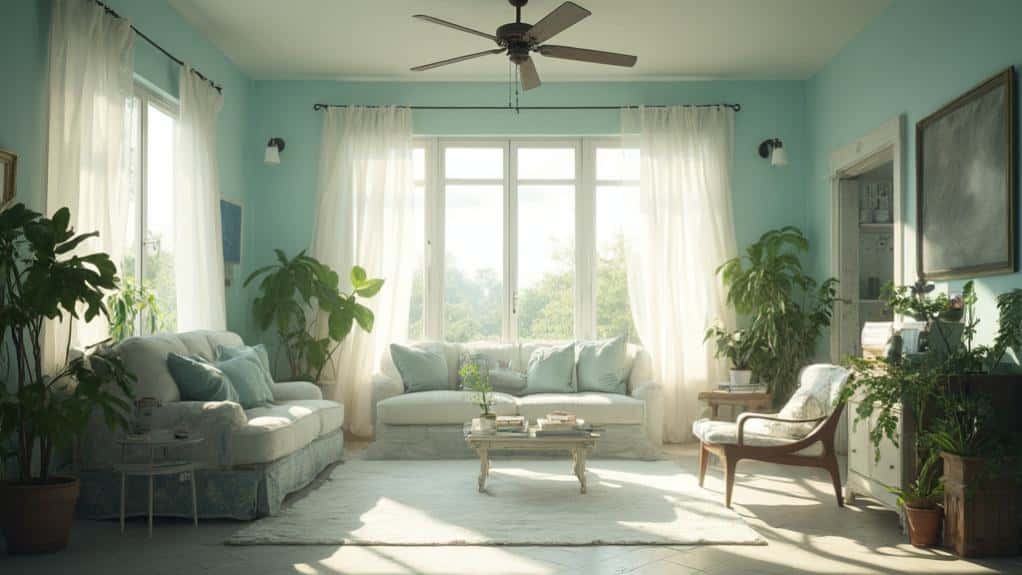
Efficiency lies at the heart of cross-ventilation, a natural cooling technique that can considerably reduce your home's temperature without relying on energy-intensive air conditioning. To harness this method effectively, open windows on opposite sides of your home, creating a pathway for cooler air to flow in while expelling warm air.
For ideal results, time your window openings during the cooler parts of the day, typically early morning or late evening, when outdoor temperatures are lower.
To enhance airflow and accelerate the cooling process, consider installing window fans or using portable fans strategically. These devices can help pull fresh air from outside and push warm indoor air out, intensifying the cross-ventilation effect.
In multi-story homes, don't forget to open upper-level windows, as this allows trapped hot air to escape, facilitating a more thorough cooling throughout your living space.
To maintain comfort while enjoying natural cooling, use window screens to keep insects at bay.
Strategic Window Shading Methods

While cross-ventilation can effectively cool your home, strategic window shading methods offer another powerful approach to natural cooling. By implementing these techniques, you'll greatly reduce heat gain and enhance indoor comfort.
Start by closing curtains or blinds during peak sunlight hours, which can decrease indoor heat absorption by up to 45%. For a more advanced solution, consider installing reflective window films, capable of reducing heat absorption through windows by as much as 70%.
Exterior shading solutions, such as awnings or pergolas, are particularly effective for west-facing windows, protecting against intense afternoon sunlight and lowering cooling costs.
When selecting curtains, opt for thicker, light-colored options with thermal lining. These can block up to 80% of solar heat gain when closed during the day.
Proper window orientation is essential; pay special attention to south-facing windows, which receive the most sunlight. These windows benefit greatly from effective thermal barriers to minimize heat absorption.
Optimal Insulation Practices
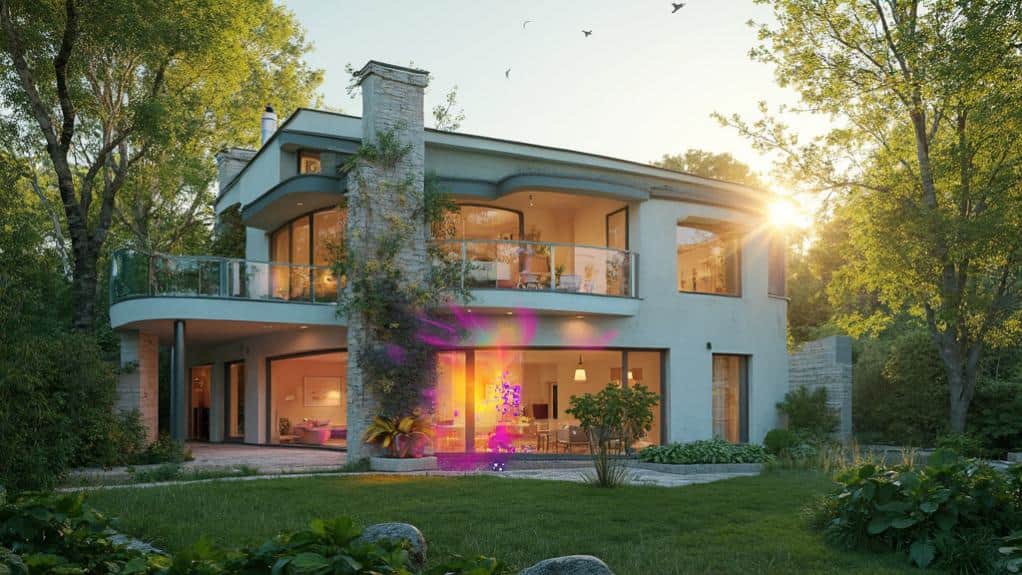
To maximize your home's insulation, you'll want to focus on two key areas: attic ventilation and wall insulation upgrades.
For attic ventilation, consider installing ridge vents or soffit vents to promote air circulation, which helps regulate temperature and moisture levels.
When it comes to wall insulation, you can greatly improve your home's energy efficiency by adding blown-in cellulose or spray foam insulation to existing walls, or by upgrading to high-performance insulation materials during renovations.
Attic Ventilation Techniques
Your home's attic plays an essential role in maintaining comfortable indoor temperatures and reducing energy costs. Proper attic ventilation is vital for expelling hot air trapped in this space, which greatly reduces the cooling load on your HVAC system. By implementing effective ventilation techniques, you can lower indoor temperatures by 10 to 20 degrees Fahrenheit during peak summer heat.
To optimize attic ventilation, focus on creating a balanced system of intake and exhaust vents. Install soffit vents for air intake and ridge vents for exhaust, ensuring a proper ratio for effective airflow.
If natural ventilation is insufficient, consider adding powered attic ventilators to enhance air circulation. Regularly inspect and maintain your attic's insulation and ventilation system to prevent moisture buildup, which can lead to mold growth and structural damage over time.
By combining these techniques, you'll create an efficient attic ventilation system that helps manage heat buildup, reduces energy costs, and prolongs the life of your roof structure.
Wall Insulation Upgrades
Moving from the attic to the walls, we find another key area for improving your home's thermal efficiency. Wall insulation upgrades can greatly reduce heat transfer, potentially saving you 20-30% on cooling costs during hot summers.
To achieve this, you'll want to insulate your walls with materials like fiberglass batts, foam board, or spray foam, which can provide an R-value of 13 to 21, effectively enhancing thermal resistance.
Don't overlook the importance of air sealing around windows, doors, and electrical outlets in insulated walls. This step prevents drafts and further boosts your home's energy efficiency.
In warmer climates, consider installing radiant barriers in walls to reflect heat away from living spaces, helping to lower cooling costs.
To maintain the effectiveness of your wall insulation, schedule regular inspections and maintenance services. Over time, settling, moisture, or pest infestations can diminish insulation performance.
By addressing these issues promptly, you'll guarantee your insulation continues to provide ideal thermal protection.
Night Cooling Strategies
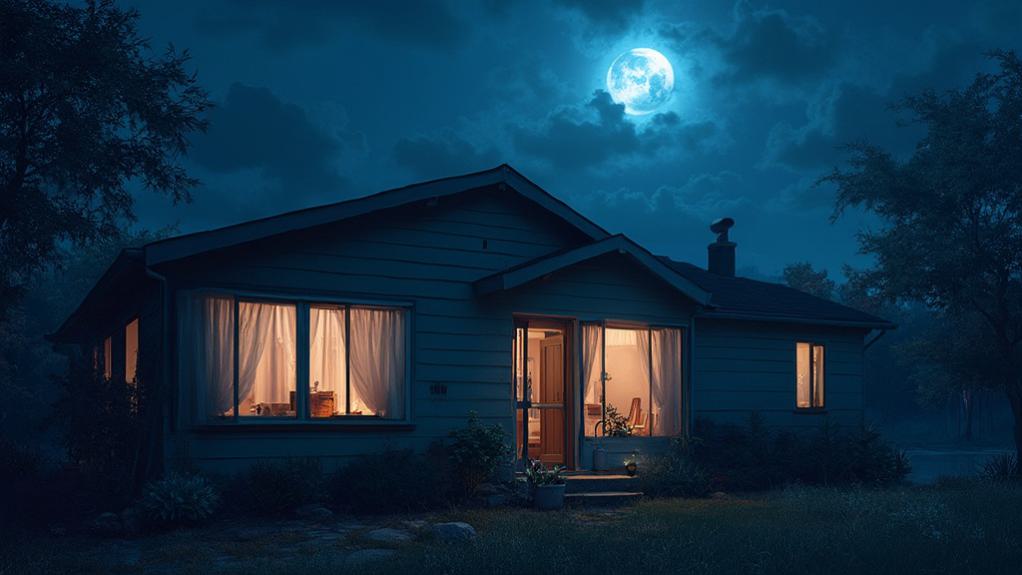
As the sun dips below the horizon, savvy homeowners can tap into nature's free cooling system.
To optimize cooling during cooler nighttime hours, open windows strategically to create cross-ventilation. This natural air circulation effectively lowers indoor temperatures, reducing your reliance on air conditioning.
For two-story homes, implement night-flush ventilation by opening upper-level windows, allowing hot air to escape and drawing in cooler air from below.
To maximize the benefits of night cooling, monitor outdoor temperatures to identify the best times for ventilation.
Once you've cooled your home overnight, close windows and blinds before morning heat rises to retain the cool air accumulated during the night. This prevents heat buildup as the day progresses, maintaining a comfortable indoor environment.
Landscaping for Temperature Control

Mother Nature offers a powerful toolkit for regulating your home's temperature through strategic landscaping. To harness these natural cooling solutions, start by planting deciduous trees on the west and south sides of your house. These trees provide shade during the hottest parts of the day, effectively blocking direct sunlight and reducing indoor temperatures.
Next, consider incorporating shrubs and hedges as windbreaks to limit hot air entering your home, enhancing overall comfort and reducing cooling costs.
For a modern approach to temperature control, install vertical gardens or green walls. These not only add aesthetic value but also lower surrounding air temperatures through evaporation.
To further protect your home from heat, install awnings or pergolas over outdoor living spaces, considerably lowering heat exposure on windows and doors.
Finally, utilize light-colored or reflective materials in your landscaping, such as gravel or light-colored stones. These materials deflect heat away from your home, contributing to a cooler environment.
Energy-Efficient Appliance Usage
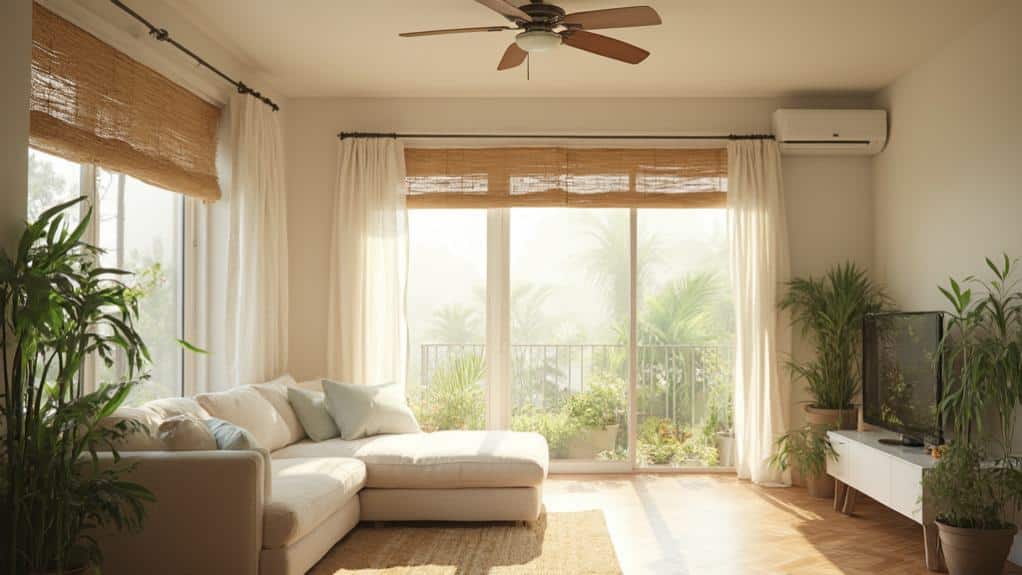
Efficient appliance usage plays an essential role in maintaining a cool home environment. To reduce heat and lower your energy bills, focus on using energy-efficient appliances, particularly those with Energy Star ratings. These appliances consume less electricity and generate less heat, contributing to improved indoor heat quality and more comfortable living conditions.
To maximize cooling efficiency, follow these guidelines:
| Time of Day | Appliance Usage Strategy |
|---|---|
| Morning | Use minimal heat-generating appliances |
| Midday | Avoid oven use; opt for outdoor grilling |
| Afternoon | Postpone laundry and dishwashing |
| Evening | Run large appliances during cooler hours |
| Night | Take advantage of cool breezes for ventilation |
Regular maintenance of your appliances is vital for efficient cooling. Clean filters, guarantee proper ventilation, and schedule professional check-ups to keep your appliances running at peak performance. By using heat-generating appliances like ovens and dryers during cooler evening hours, you'll prevent unnecessary indoor heat buildup throughout the day. Consider outdoor cooking options during hot months to keep your kitchen cool and enjoy alfresco dining. These strategies, combined with energy-efficient appliances, will help you maintain a comfortable living space while reducing your energy consumption and costs.
DIY Cooling Solutions

Embracing creativity and resourcefulness, you can implement several DIY cooling solutions to beat the heat without relying on expensive air conditioning systems.
Start by creating a DIY air conditioning effect using frozen water bottles or ice packs placed in front of a fan. This simple technique circulates cool air throughout the room, providing instant relief from high temperatures.
For a natural evaporative cooler, hang wet sheets in front of open windows, allowing the breeze to cool the air as it passes through.
To enhance your sleeping comfort, consider refrigerating bedding items like pillowcases and sheets before use. This method greatly improves sleep quality during hot summer nights.
Additionally, implement these outdoor shade solutions to keep your home cool:
- Install umbrellas or awnings to reduce indoor heat gain
- Use moisture-wicking sheets for better temperature regulation
- Place bowls of ice in front of fans for localized cooling
- Create cross-ventilation by strategically opening windows
Smart Home Cooling Technologies
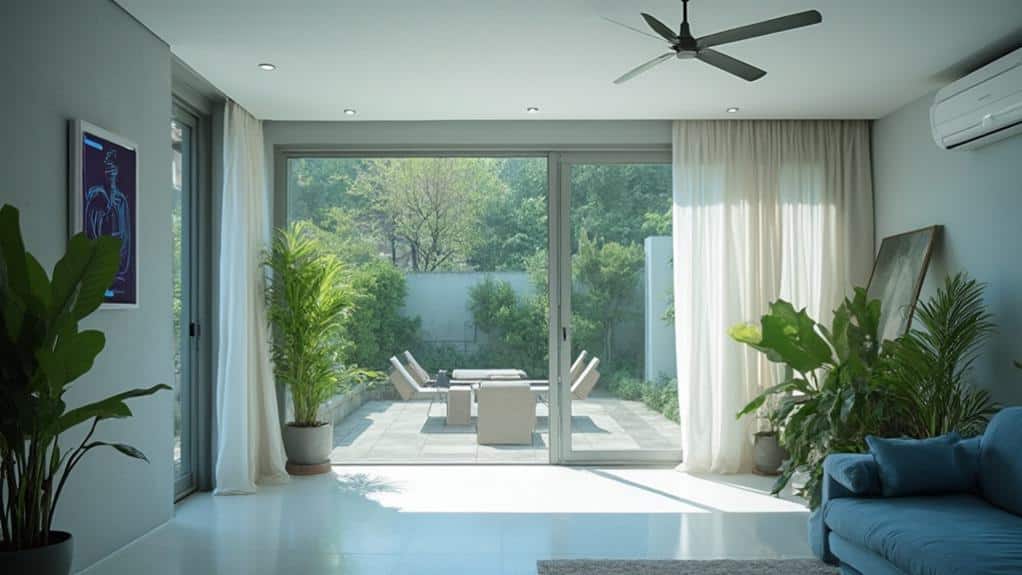
Leveraging cutting-edge technology, smart home cooling solutions offer a new frontier in temperature management and energy efficiency. Smart thermostats are at the forefront of this revolution, learning your schedules and preferences to automatically adjust temperatures. These devices can save you 10-30% on cooling costs while maintaining ideal comfort.
To further enhance cooling efficiency, integrate smart blinds into your system. They'll adjust based on the sun's position, reducing heat gain during peak hours while preserving natural light. Pair these with smart fans, which work in tandem with your thermostat to increase airflow and minimize energy consumption when not needed.
Remote control capabilities allow you to manage your cooling system from anywhere using smartphone apps. You'll have real-time access to temperature adjustments and energy usage monitoring. Advanced systems provide insights into your consumption patterns, enabling informed decisions about cooling practices and further reducing energy bills.
To implement these technologies, start by installing a smart thermostat. Next, add smart blinds to key windows and replace standard ceiling fans with smart models. Finally, connect all devices to a central hub for seamless integration and maximum efficiency.
Frequently Asked Questions
How Can I Reduce My Body Heat Naturally in Summer?
To reduce your body heat naturally in summer, focus on hydration tips like drinking plenty of water and consuming cooling foods such as watermelon.
Wear breathable fabrics like cotton and try herbal remedies like mint tea.
Practice mindful breathing and take cold showers to lower your body temperature.
Establish morning routines that include outdoor activities during cooler hours.
Apply ice packs to pulse points and try cooling yoga poses like child's pose.
These methods will help you stay comfortable in hot weather.
How Can I Keep Cool in Summer Naturally?
Did you know that proper hydration can lower your body temperature by up to 1°F?
To keep cool naturally in summer, focus on hydration strategies like drinking herbal teas and eating summer fruits.
Use cooling fabrics for clothing and bedding, and apply ice packs to pulse points.
Create outdoor shade with umbrellas, and install reflective windows to reduce heat gain.
Capitalize on evening breezes for ventilation, use ceiling fans, and employ moisture retention techniques like misting to enhance cooling effects.
How to Cool a Room Without AC in Summer?
To cool a room without AC, utilize fans and ventilation strategies. Open windows at night for cooler air, and use thermal mass to absorb heat during the day.
Install window treatments to block sunlight, and strategically place plants to create shade. Use cool fabrics for furnishings and clothing.
Implement nighttime cooling by opening windows and running fans. Stay hydrated and use indoor plants to naturally cool the air.
Control humidity with dehumidifiers, and position furniture to maximize natural breezes.
How to Survive the Heat Without AC?
To survive the heat without AC, focus on cooling your body and environment.
Drink plenty of ice water and take cold showers. Wear breathable fabrics and stay properly hydrated.
Create shade strategies indoors and out. Eat cooling foods like fruits and salads.
Plan outdoor activities for cooler hours. Maximize nighttime cooling by opening windows.
Use essential oils like peppermint for a cooling effect. Incorporate indoor plants to naturally cool your space and improve air quality.
Conclusion
You've now explored a range of natural cooling solutions to beat the summer heat. By implementing these strategies, you'll not only stay comfortable but also reduce your energy consumption. Did you know that proper insulation can cut cooling costs by up to 15%? Remember, combining multiple techniques, such as cross-ventilation with strategic shading, will yield the best results. Start small, monitor your progress, and adjust as needed. With patience and persistence, you'll create a cooler, more energy-efficient home environment.